
Everglades National Park is one of the most unique natural areas in the United States. Located in southern Florida, the park protects more than 1.5 million acres of wetlands, mangrove forests, coastal estuaries, and sawgrass prairies. Established in 1947, it is the largest subtropical wilderness in the country and is recognized as a UNESCO World Heritage Site, an International Biosphere Reserve, and a Wetland of International Importance.
Often called the “River of Grass,” the Everglades is not a swamp in the traditional sense. It is a slow-moving river that flows from Lake Okeechobee south toward Florida Bay. The park provides habitat for hundreds of species of birds, fish, reptiles, and mammals, including the American alligator, American crocodile, West Indian manatee, Florida panther, and many rare wading birds.
Best Places to Visit
Anhinga Trail
The Anhinga Trail is one of the park’s most popular attractions and is ideal for first-time visitors. This short boardwalk trail passes through marsh habitats where visitors can easily spot alligators, turtles, herons, egrets, and anhinga birds. The wildlife viewing opportunities here are among the best in the park.
Shark Valley
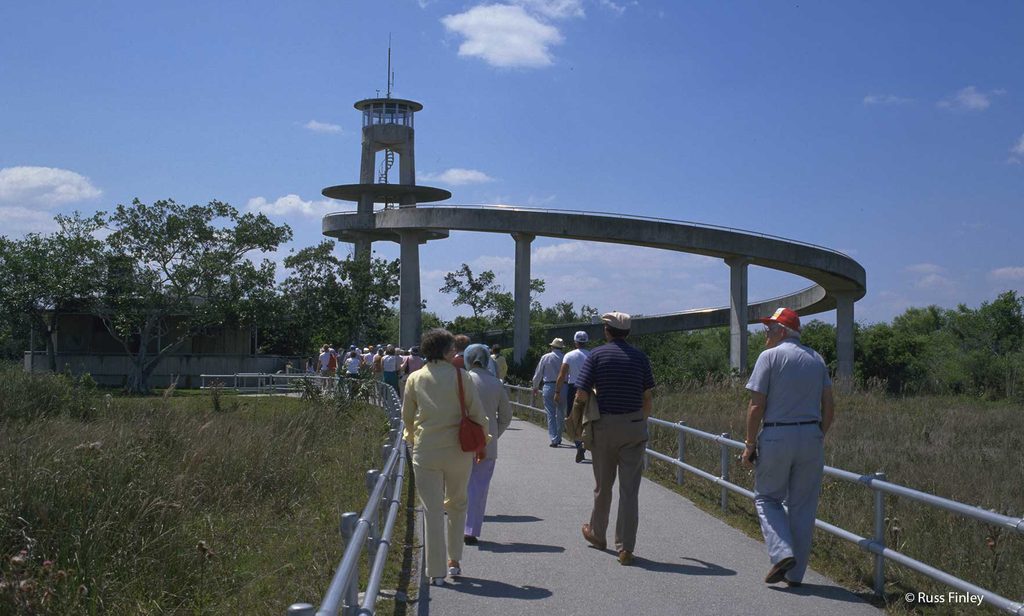
Despite its name, Shark Valley is far from the ocean. Visitors can walk, bike, or take a tram ride along a 15-mile loop road through the heart of the Everglades. An observation tower at the halfway point provides spectacular panoramic views of the surrounding wetlands. Wildlife sightings are common throughout the route.
Flamingo
Located near the southern end of the park, Flamingo offers access to Florida Bay and is known for boating, kayaking, fishing, and wildlife viewing. Visitors often see manatees, crocodiles, dolphins, and numerous bird species. The area also provides excellent opportunities for camping and stargazing.
Mahogany Hammock Trail
This short boardwalk trail leads through a dense hardwood forest known as a hammock. Visitors can see the largest living mahogany tree in the United States as well as a variety of tropical plants unique to South Florida.
Gumbo Limbo Trail
The Gumbo Limbo Trail winds through a shaded tropical forest filled with gumbo limbo trees, often called the “tourist tree” because of its reddish peeling bark. The trail provides a peaceful contrast to the open wetlands found elsewhere in the park.
Ten Thousand Islands
Accessible from the Gulf Coast region near Everglades City, Ten Thousand Islands is a maze of mangrove islands and waterways. It is a paradise for kayakers, boaters, photographers, and wildlife enthusiasts seeking dolphins, sea turtles, and coastal birds.
Best Time to Visit
Dry Season (December to April)
The dry season is generally considered the best time to visit Everglades National Park. During these months:
- Temperatures are comfortable, usually ranging from 55°F to 80°F (13°C to 27°C).
- Mosquito populations are much lower.
- Wildlife is easier to spot because animals gather around remaining water sources.
- Humidity is lower and rainfall is less frequent.
This period is also the park’s busiest season, especially during winter holidays and spring break.
Wet Season (May to November)
The wet season brings heavy rain, high humidity, and warmer temperatures. While conditions can be challenging, there are benefits:
- Lush green landscapes and dramatic skies.
- Fewer crowds.
- Excellent opportunities for photography.
- Increased bird nesting activity and seasonal wildlife behavior.
Visitors should be prepared for mosquitoes, thunderstorms, and the possibility of tropical storms or hurricanes during late summer and fall.
Activities to Enjoy
The Everglades offers a wide range of outdoor activities, including:
- Wildlife watching
- Hiking and boardwalk walks
- Canoeing and kayaking
- Fishing
- Biking
- Boat tours
- Camping
- Photography
- Ranger-led educational programs

Three-Day Everglades National Park Itinerary
A three-day visit provides enough time to experience the Everglades’ diverse ecosystems, from freshwater marshes and hardwood hammocks to mangrove forests and coastal waters.
Day 1: Explore the Main Park Road and Wildlife Hotspots
Morning
- Start at the Ernest F. Coe Visitor Center to learn about the park’s ecosystems and plan your visit.
- Walk the Anhinga Trail, one of the best places in the park for viewing alligators, turtles, herons, egrets, and anhingas.
- Continue to the Gumbo Limbo Trail for a short walk through a tropical hardwood hammock.
Afternoon
- Visit the Pinelands Trail, a unique pine rockland ecosystem found only in South Florida and a few Caribbean islands.
- Explore the Mahogany Hammock Trail and see one of the largest mahogany trees in the United States.
- Stop at the numerous overlooks and pullouts along the Main Park Road for wildlife viewing and photography.
Evening
- Arrive in the Flamingo area.
- Enjoy a sunset over Florida Bay.
- Stay overnight in Flamingo lodging or at one of the park campgrounds.
Day 2: Adventure in Flamingo and Florida Bay
Morning
- Take a boat tour or rent a kayak in the Flamingo area.
- Explore the mangrove-lined waterways and Florida Bay.
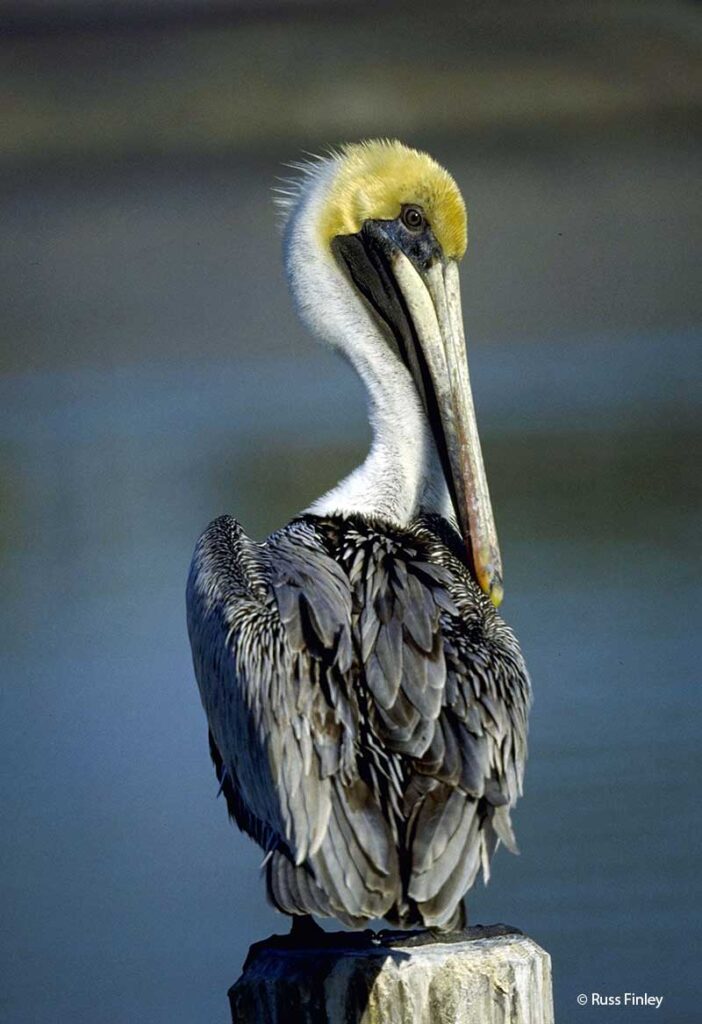
- Look for manatees, crocodiles, dolphins, and a variety of wading birds.
Afternoon
- Visit the Flamingo Visitor Center.
- Hike portions of nearby coastal trails.
- Enjoy a picnic lunch overlooking the bay.
Evening
- Join a ranger-led program if available.
- Experience stargazing after dark. The Everglades offers some of the darkest skies in Florida, making it an excellent location for astronomy and nighttime photography.
Day 3: Shark Valley and the River of Grass
Morning
- Drive to Shark Valley, located on the northern side of the park.
- Rent bicycles or take the guided tram tour along the 15-mile loop road.
- Observe alligators, birds, turtles, and other wildlife often found beside the roadway.
Afternoon
- Climb the Shark Valley Observation Tower for panoramic views of the Everglades.
- Have lunch at the visitor area and continue wildlife viewing.
Evening
- Begin your departure, stopping at scenic overlooks and photo opportunities along the way.
- If time permits, enjoy one final walk before leaving the park.
Conclusion
Everglades National Park is one of America’s most extraordinary natural treasures. Its vast wetlands, diverse ecosystems, and remarkable wildlife create experiences unlike those found anywhere else in the country. Whether you are observing alligators along the Anhinga Trail, cycling through Shark Valley, paddling among the mangroves of Ten Thousand Islands, or watching a sunset over Florida Bay, a visit to the Everglades offers a memorable connection with one of the world’s most important and fragile ecosystems. The dry season from December through April provides the best overall conditions, but every season reveals a different side of this remarkable national park.