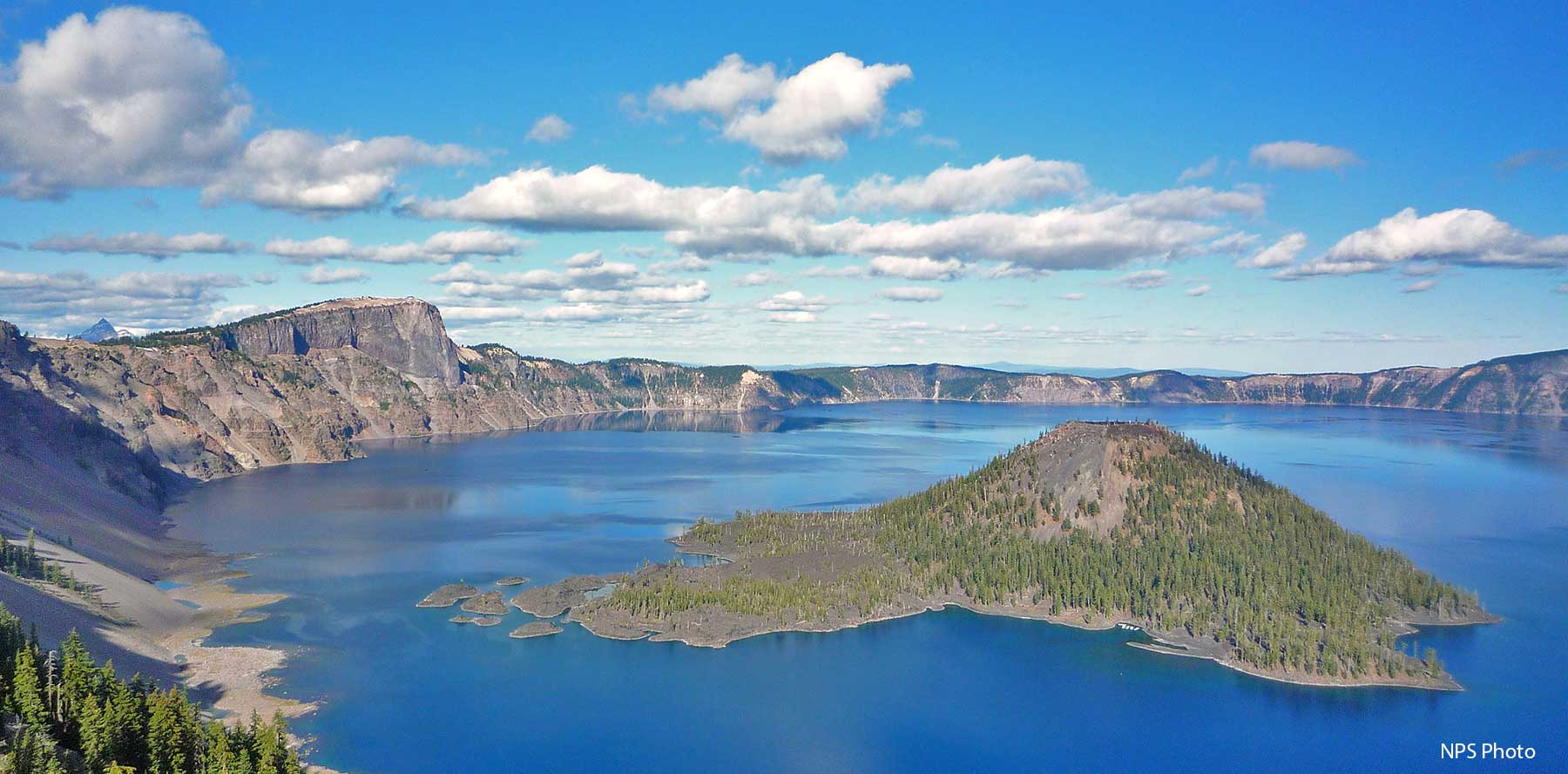
Nestled in the Cascade Mountains of southern Oregon, Crater Lake National Park is home to one of the most spectacular landscapes in the United States. Established in 1902 as Oregon’s only national park, it protects the stunning blue waters of Crater Lake, which formed about 7,700 years ago when the volcanic peak of Mount Mazama collapsed after a massive eruption. Today, the lake is the deepest in the United States and is renowned for its remarkable clarity and vivid blue color. [nps.gov], [nps.gov]
What makes Crater Lake so unique is that no rivers flow into or out of it. The lake is fed entirely by rain and snow, helping maintain its exceptional purity and visibility. Surrounded by steep cliffs, forests, and volcanic features, the park offers breathtaking scenery in every season. [nps.gov], [en.wikipedia.org]
Best Places to Visit
Rim Drive
Rim Drive is a scenic 33-mile road that circles the lake and provides access to numerous overlooks. Visitors can stop at viewpoints throughout the route to enjoy unforgettable panoramas of the lake, surrounding mountains, and volcanic formations.
Wizard Island
One of the park’s most recognizable features, Wizard Island is a cinder cone that rises from the lake’s surface. Its striking appearance creates one of the most photographed scenes in the park. [nps.gov], [en.wikipedia.org]
Watchman Overlook
This popular viewpoint offers one of the best views of Wizard Island and the lake. The short hike to Watchman Peak is especially rewarding at sunrise and sunset.
Garfield Peak Trail
For hikers seeking spectacular views, Garfield Peak Trail provides a moderately challenging climb with sweeping vistas of Crater Lake and the surrounding Cascades.
Mount Scott
As the highest point in the park, Mount Scott offers panoramic views extending far beyond the lake. On clear days, visitors can see mountain ranges stretching across southern Oregon. [nps.gov]
Phantom Ship
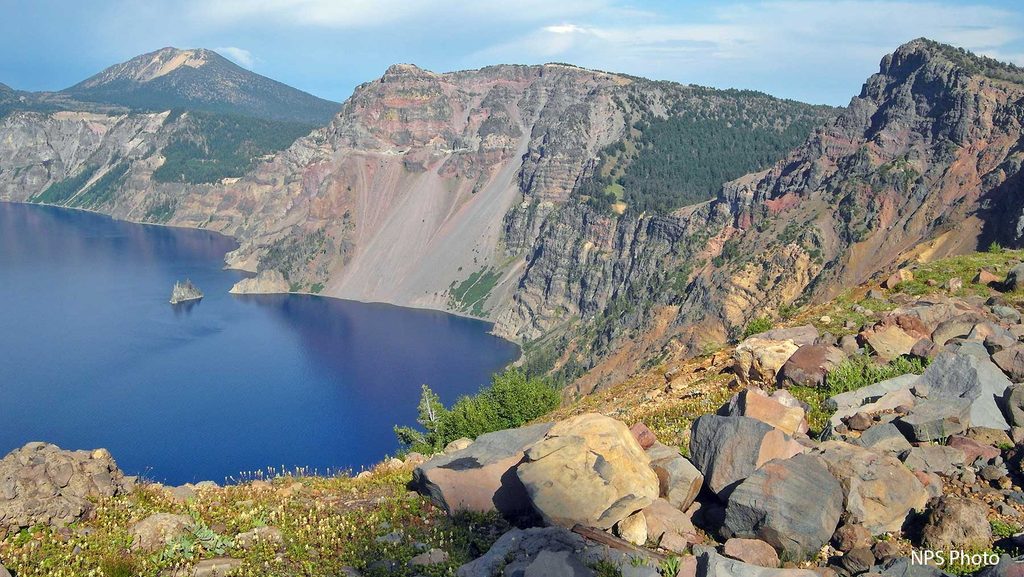
This small rocky island resembles a ghostly sailing vessel emerging from the water. Its unusual shape and ancient volcanic rock make it one of the park’s most fascinating landmarks. [en.wikipedia.org]
Vidae Falls
Located along Rim Drive, Vidae Falls is one of the easiest scenic stops in the park, featuring a beautiful waterfall surrounded by wildflowers during summer months. [nps.gov]
Best Times to Visit
Summer (July-September)
Summer is the most popular time to visit. Roads are generally open, hiking trails are accessible, and weather conditions are ideal for sightseeing. Most visitor services and facilities operate during this season.
Fall (September-October)
Early fall offers fewer crowds, pleasant temperatures, and excellent visibility. The changing colors of the surrounding forests add extra beauty to the landscape.
Winter (November-April)
Crater Lake receives heavy snowfall, transforming the park into a winter wonderland. Snowshoeing, cross-country skiing, and winter photography are popular activities. Visitors should be prepared for road closures and snowy conditions. The park averages more than 40 feet of snowfall annually. [morethanju…tparks.com], [nps.gov]
Spring (May-June)
Spring can be unpredictable, with lingering snow still covering many areas. While some roads may remain closed, visitors can enjoy smaller crowds and dramatic contrasts between snow-covered peaks and the deep blue lake.
Conclusion
Crater Lake National Park is one of America’s most breathtaking natural treasures. Whether you’re admiring the lake from a scenic overlook, hiking to mountain summits, or exploring the park’s volcanic history, the experience is unforgettable. For the best overall visit, plan your trip during the summer or early fall when weather conditions are favorable and most attractions are fully accessible. The combination of crystal-clear blue water, rugged volcanic scenery, and abundant outdoor activities makes Crater Lake a destination worthy of every traveler’s bucket list.