
Arches National Park, located near Moab in eastern Utah, is one of the most spectacular landscapes in the United States. Covering more than 76,000 acres of high desert, the park is home to over 2,000 natural stone arches, towering sandstone fins, balanced rocks, and dramatic red-rock formations. The combination of colorful scenery, easy access, and unique geological features makes Arches a must-visit destination for hikers, photographers, and outdoor enthusiasts.
Best Places to Visit
Delicate Arch
Delicate Arch is the park’s most famous landmark and one of the most recognizable natural features in the American Southwest. Standing 52 feet tall, this freestanding arch appears on Utah license plates and has become a symbol of the state. The 3-mile round-trip hike to the arch is moderately challenging but rewards visitors with breathtaking views, especially at sunset when the sandstone glows orange and red.
Landscape Arch
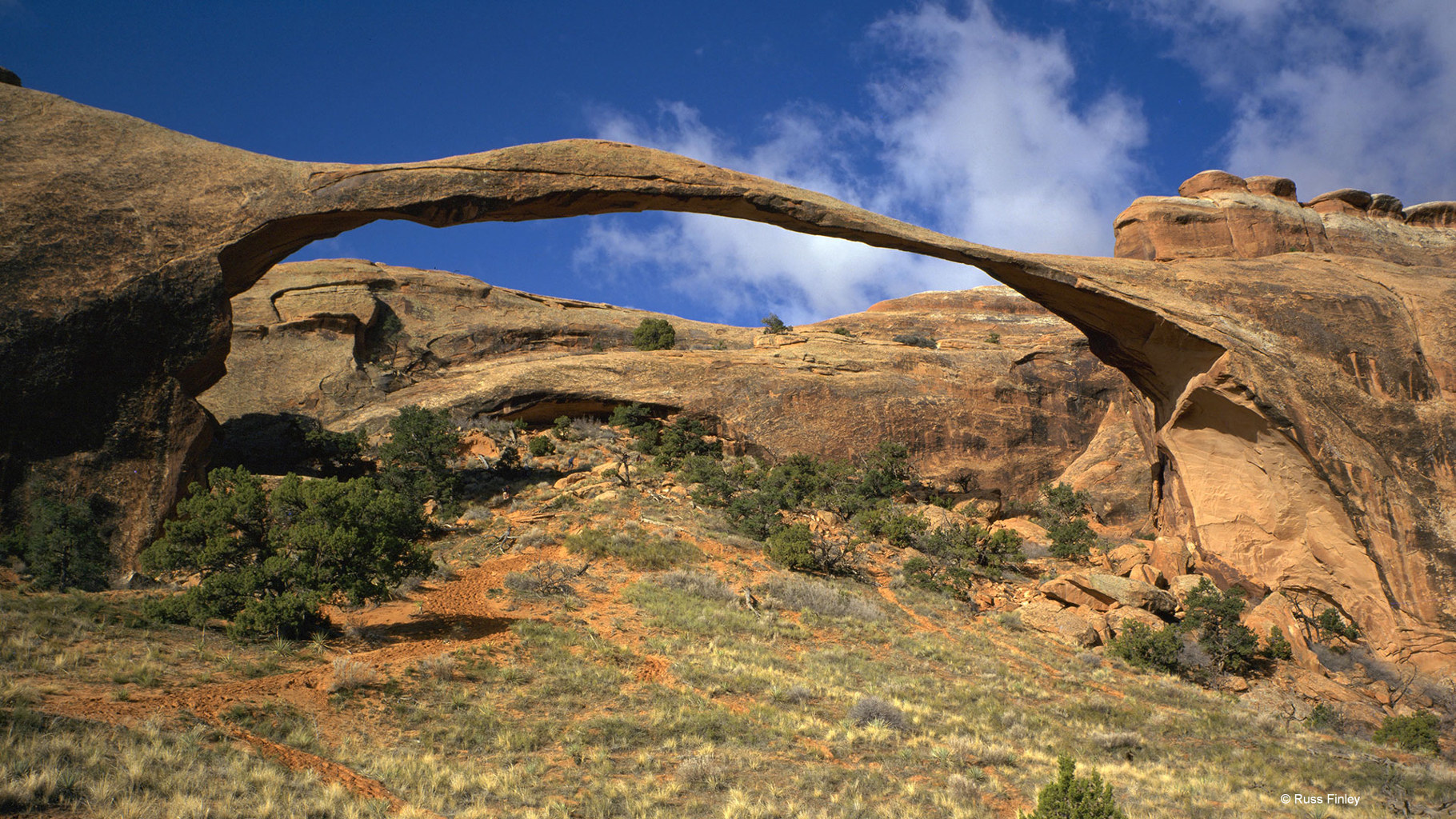
Located in the Devils Garden area, Landscape Arch is one of the longest natural arches in the world, spanning approximately 306 feet. The relatively easy hike to the arch follows a well-maintained trail through a landscape dotted with additional arches and rock formations.
Devils Garden
The Devils Garden Trail offers some of the park’s best hiking opportunities. Visitors can see several notable arches along the route, including Tunnel Arch, Pine Tree Arch, Navajo Arch, Double O Arch, and Landscape Arch. Short walks and longer adventures are available, making this area suitable for all skill levels.
Double Arch
Made famous by scenes in Indiana Jones and the Last Crusade, Double Arch consists of two giant arches sharing the same rock foundation. The short walk from the parking area makes this one of the easiest major attractions to reach.
The Windows Section
The Windows area contains some of the largest and most accessible arches in the park. Highlights include North Window, South Window, Turret Arch, and Double Arch. The relatively flat trails and close proximity of multiple formations make it an excellent choice for families and first-time visitors.

Balanced Rock
One of the park’s most photographed features, Balanced Rock rises 128 feet above the desert floor. A large boulder appears precariously perched atop a narrow pedestal, creating a striking and memorable sight. A short loop trail provides views from all angles.
Park Avenue
Named for its resemblance to a city street lined with skyscrapers, Park Avenue features towering sandstone walls and massive rock monoliths. The viewpoint provides stunning panoramas, while the trail offers an immersive walk through the canyon-like landscape.
Fiery Furnace
This maze of narrow sandstone canyons, fins, and passages is one of the park’s most unique areas. Due to its complex terrain, visitors must either obtain a permit or join a ranger-led tour. The Fiery Furnace provides a more adventurous and less crowded experience than many other park locations.
Sand Dune Arch
Nestled between tall sandstone fins, Sand Dune Arch offers a cooler environment and soft sand underfoot. The short trail and shaded setting make it particularly enjoyable during hot summer months.
Best Times to Visit
Spring (March to May)
Spring is widely considered the best time to visit Arches National Park. Daytime temperatures are comfortable, wildflowers may be blooming, and hiking conditions are ideal. Visitor numbers are high, but the pleasant weather makes spring an excellent season for exploring.
Fall (September to November)
Fall rivals spring as the most popular season. Temperatures become cooler after the summer heat, and the park is perfect for hiking, photography, and camping. September and October offer especially pleasant conditions.
Summer (June to August)
Summer brings extremely hot temperatures that often exceed 100°F (38°C). Visitors should plan outdoor activities early in the morning or near sunset and carry plenty of water. Despite the heat, summer remains popular because of school vacations.
Winter (December to February)
Winter is the least crowded season. Snow occasionally dusts the red rocks, creating spectacular photographic opportunities. While temperatures can be cold, many trails remain accessible, and visitors enjoy a quieter experience.

Suggested Two-Day Itinerary
Day 1
- Sunrise at Delicate Arch Viewpoint
- Visit Balanced Rock
- Explore The Windows Section
- Lunch in Moab
- Hike to Double Arch
- Sunset at Delicate Arch
Day 2
- Morning hike to Landscape Arch
- Continue through Devils Garden
- Picnic lunch
- Explore Park Avenue
- Visit Sand Dune Arch
- Finish with sunset photography at Balanced Rock
Travel Tips
- Bring and drink plenty of water, especially from late spring through early fall.
- Start popular hikes early to avoid crowds and heat.
- Wear sturdy footwear, as trails often cross slickrock surfaces.
- Reserve campground sites well in advance during peak seasons.
- Check park conditions before visiting, as temporary trail closures and timed-entry requirements may be in effect during busy periods.
Why Visit Arches National Park?
Arches National Park offers some of the most extraordinary desert scenery in North America. Whether you’re standing beneath the iconic Delicate Arch, wandering through the arches of Devils Garden, or watching the sunset illuminate the red sandstone formations, the park delivers unforgettable experiences. With accessible viewpoints, world-class photography opportunities, and hikes for every ability level, Arches is a destination that belongs on every national park traveler’s bucket list.