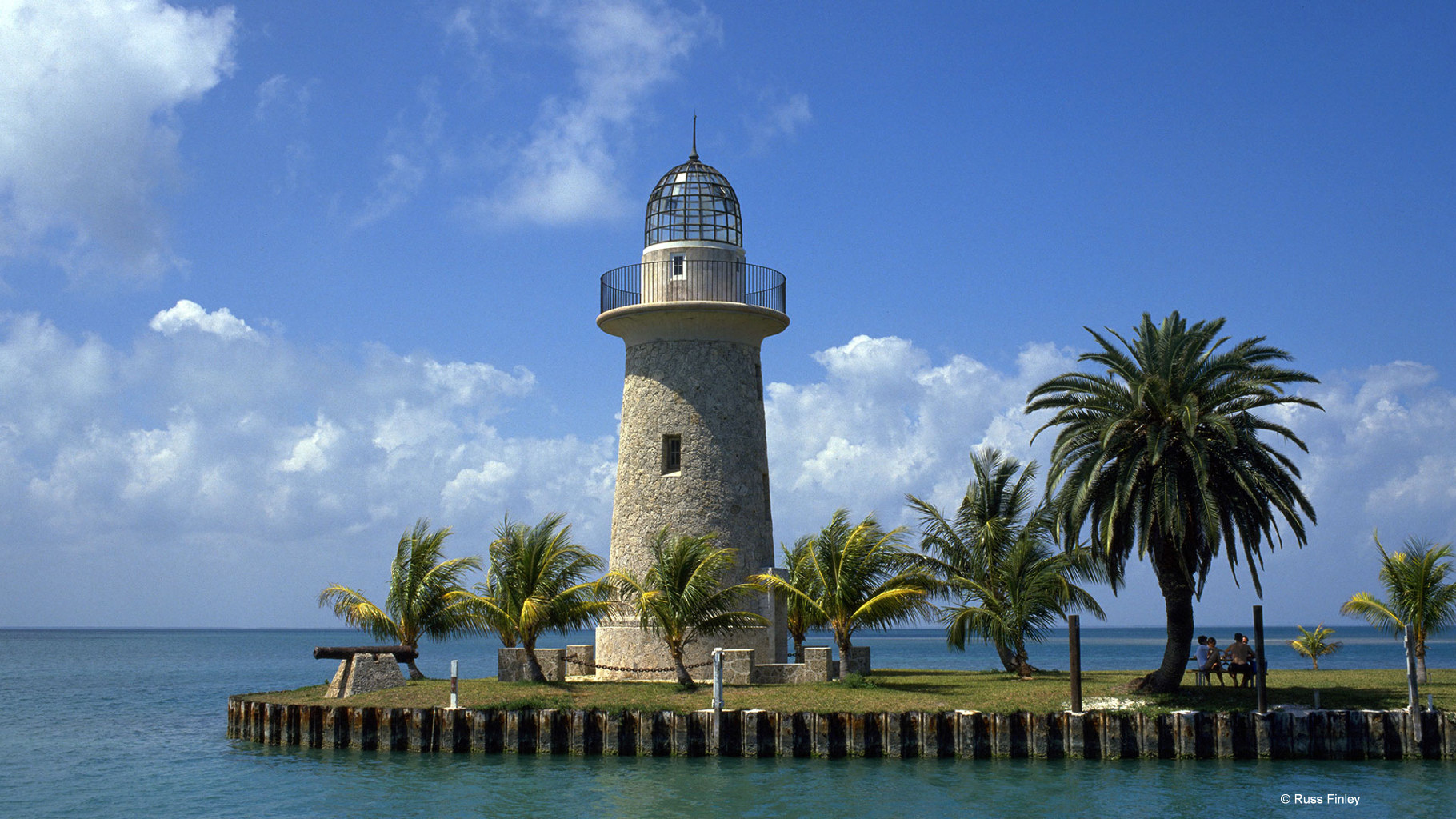
Located just south of Miami, Biscayne National Park is one of America’s most unique national parks. Unlike many parks known for mountains or forests, approximately 95% of Biscayne National Park is covered by water, protecting beautiful coral reefs, crystal-clear bays, mangrove shorelines, and tropical islands known as keys. The park encompasses more than 170,000 acres and serves as a sanctuary for diverse marine life, including sea turtles, dolphins, manatees, and hundreds of species of fish. [nps.gov]
Why Visit Biscayne National Park?
Biscayne National Park offers visitors the opportunity to experience one of the most vibrant marine ecosystems in the United States. Whether you’re interested in snorkeling, boating, kayaking, fishing, birdwatching, or simply enjoying spectacular ocean views, the park provides unforgettable outdoor adventures.
Because most of the park is water, many of its best attractions are reached by boat, making it a perfect destination for travelers who enjoy aquatic activities and nature-based exploration. [nps.gov], [nationalpa…ournal.org]
Best Places to Visit
1. Dante Fascell Visitor Center
Located at Convoy Point near Homestead, Florida, the Dante Fascell Visitor Center is the ideal starting point for any visit. Here, visitors can learn about the park’s ecosystems, view exhibits, speak with park rangers, and enjoy scenic views of Biscayne Bay. [nationalpa…ournal.org], [nps.gov]
2. Boca Chita Key
Boca Chita Key is perhaps the park’s most famous destination. The island features a picturesque harbor, picnic areas, and the iconic Boca Chita Lighthouse. Visitors often enjoy walking the island, photographing the historic structures, and watching sunsets over the bay. [national-park.com]
3. Elliott Key
As the largest island in the park, Elliott Key offers camping, picnicking, wildlife viewing, and hiking opportunities. The island’s historic significance and natural beauty make it a favorite destination for boaters and outdoor enthusiasts. [nps.gov], [nationalpa…ournal.org]

4. Florida Reef
The park protects part of the northernmost coral reef system in the continental United States. Snorkeling and scuba diving tours allow visitors to explore colorful coral formations and observe tropical fish, sea turtles, and other marine life. Underwater visibility is often best during the dry winter months. [american-parks.com]
5. Jones Lagoon
This shallow-water area is popular for kayaking and paddleboarding. The calm waters and mangrove-lined shoreline provide excellent opportunities to observe birds and marine wildlife in a peaceful setting.
6. Maritime Heritage Trail
History enthusiasts can explore shipwreck sites associated with the Maritime Heritage Trail. These underwater archaeological sites tell the story of ships that navigated the waters of Biscayne Bay over the centuries.
Best Time to Visit
Winter (December to April) – Best Overall
Winter is widely considered the best time to visit Biscayne National Park. Temperatures are mild, rainfall is lower, humidity is comfortable, and mosquito activity is reduced. Water conditions are generally favorable for boating, snorkeling, and diving. December through March also offers some of the clearest underwater visibility. [american-parks.com], [nps.gov]
Spring (March to May)
Spring offers warm weather and excellent conditions for kayaking, boating, and snorkeling. Crowds begin to decrease after spring break, while temperatures remain pleasant. Many visitors consider spring to be an excellent balance between weather and crowd levels. [national-park.com]
Summer (June to August)
Summer brings higher temperatures, humidity, and frequent afternoon thunderstorms. While the waters are warm and ideal for swimming, visitors should be prepared for heat, rain, and increased mosquito activity. [american-parks.com], [national-park.com]
Fall (September to November)
Fall tends to be quieter, but it coincides with the latter part of hurricane season. Visitors can enjoy fewer crowds, though weather conditions may be less predictable. November often offers a pleasant combination of comfortable temperatures and lighter visitation. [whentovisitparks.com], [american-parks.com]
Tips for Visitors
- Book boat tours in advance, especially during winter and spring.
- Bring sunscreen, sunglasses, and plenty of water.
- Consider a guided snorkeling or kayaking tour for the best experience.
- Check weather and marine conditions before departure.
- Pack insect repellent, particularly during warmer months.
Conclusion
Biscayne National Park is a remarkable destination where tropical islands, coral reefs, and abundant marine life create an unforgettable outdoor experience. Whether you’re snorkeling over coral reefs, kayaking through mangrove channels, exploring historic islands, or simply enjoying the turquoise waters, the park offers something for every nature lover. For the best weather and water conditions, plan your visit between December and April, when South Florida’s dry season provides ideal conditions for exploration. [american-parks.com], [nps.gov]