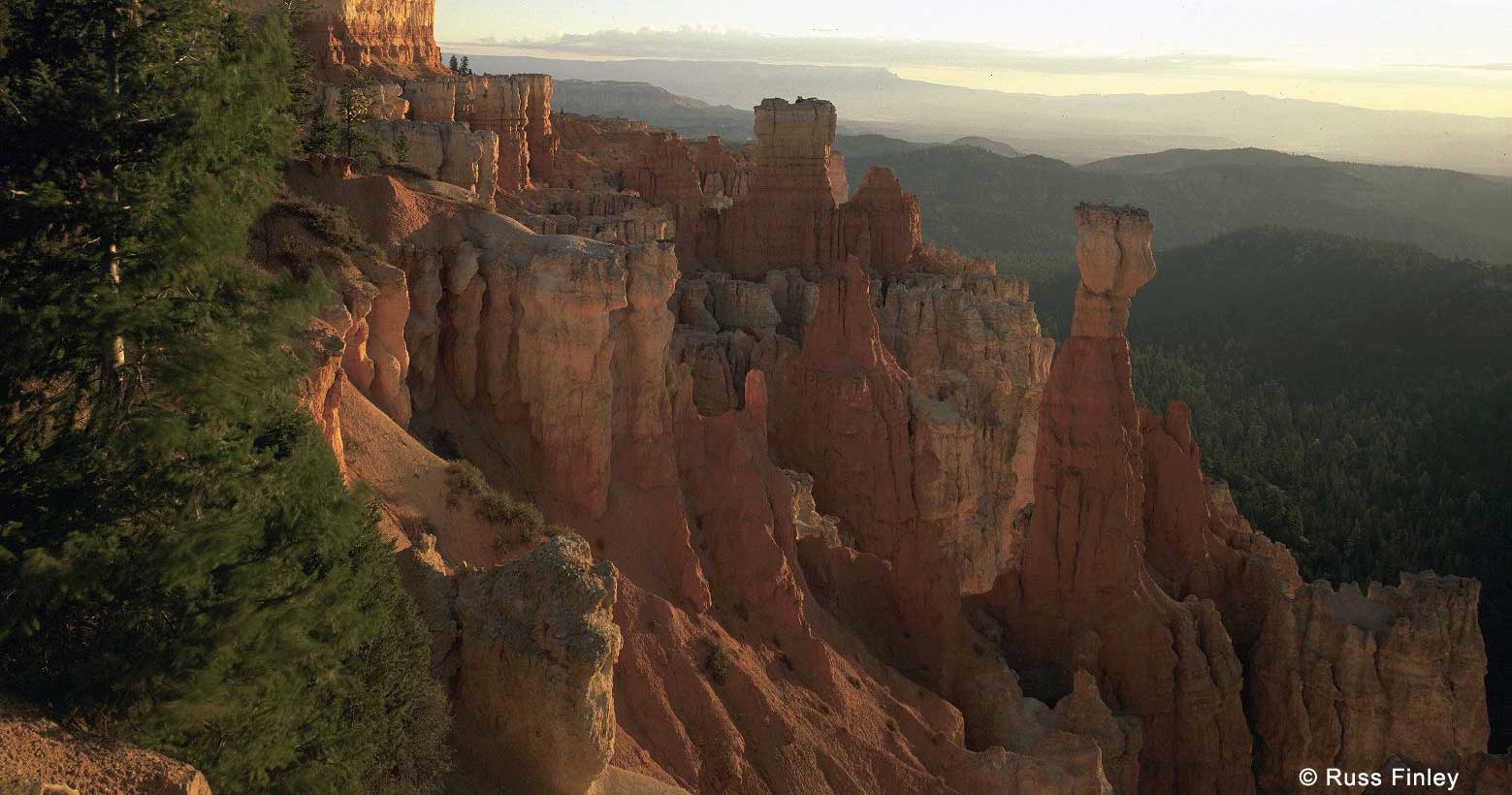
Bryce Canyon National Park, located in southern Utah, is one of America’s most unique and breathtaking national parks. Famous for its thousands of colorful rock spires called hoodoos, Bryce Canyon offers spectacular viewpoints, scenic hiking trails, dark night skies, and unforgettable sunrises and sunsets. Despite its name, Bryce is not actually a canyon but a series of natural amphitheaters carved into the edge of a high plateau. The park is home to the greatest concentration of hoodoos on Earth.
Best Places to Visit
1. Bryce Point
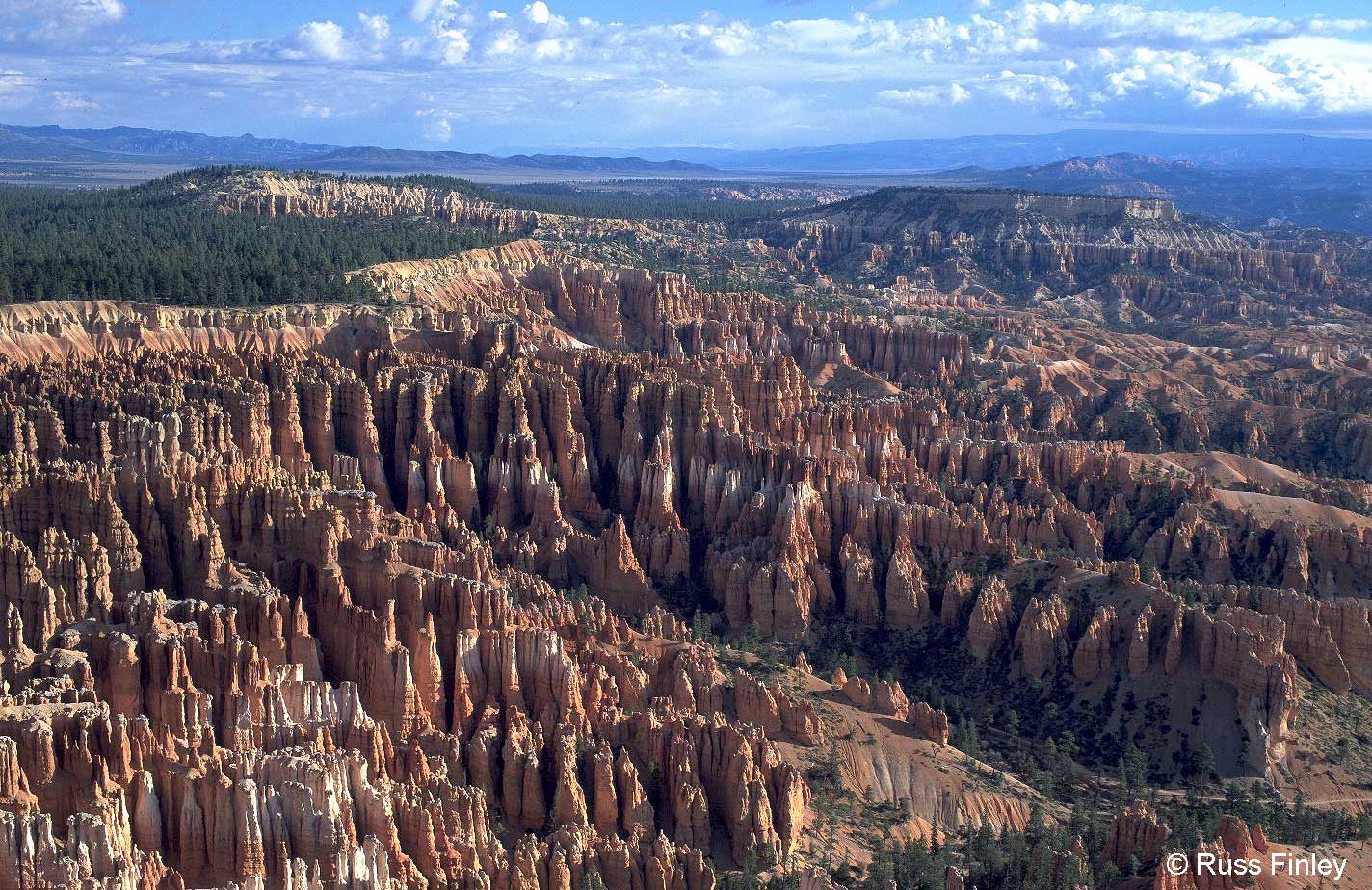
Bryce Point provides one of the most dramatic panoramic views of the Bryce Amphitheater. Visitors can see countless hoodoos stretching across the landscape, especially beautiful during sunrise when the rocks glow with shades of orange, red, and gold.
2. Sunrise Point
As the name suggests, Sunrise Point is among the best locations in the park to watch the first light of day illuminate the hoodoos. It is also a convenient starting point for several popular hikes.
3. Sunset Point
Sunset Point offers another iconic view of the amphitheater and serves as the trailhead for the famous Navajo Loop Trail. The viewpoint overlooks some of Bryce Canyon’s most recognizable formations, including Thor’s Hammer.
4. Inspiration Point
This overlook features multiple viewing levels and provides sweeping views across the canyon. It is particularly popular with photographers because of its wide-angle perspectives.
5. Navajo Loop Trail
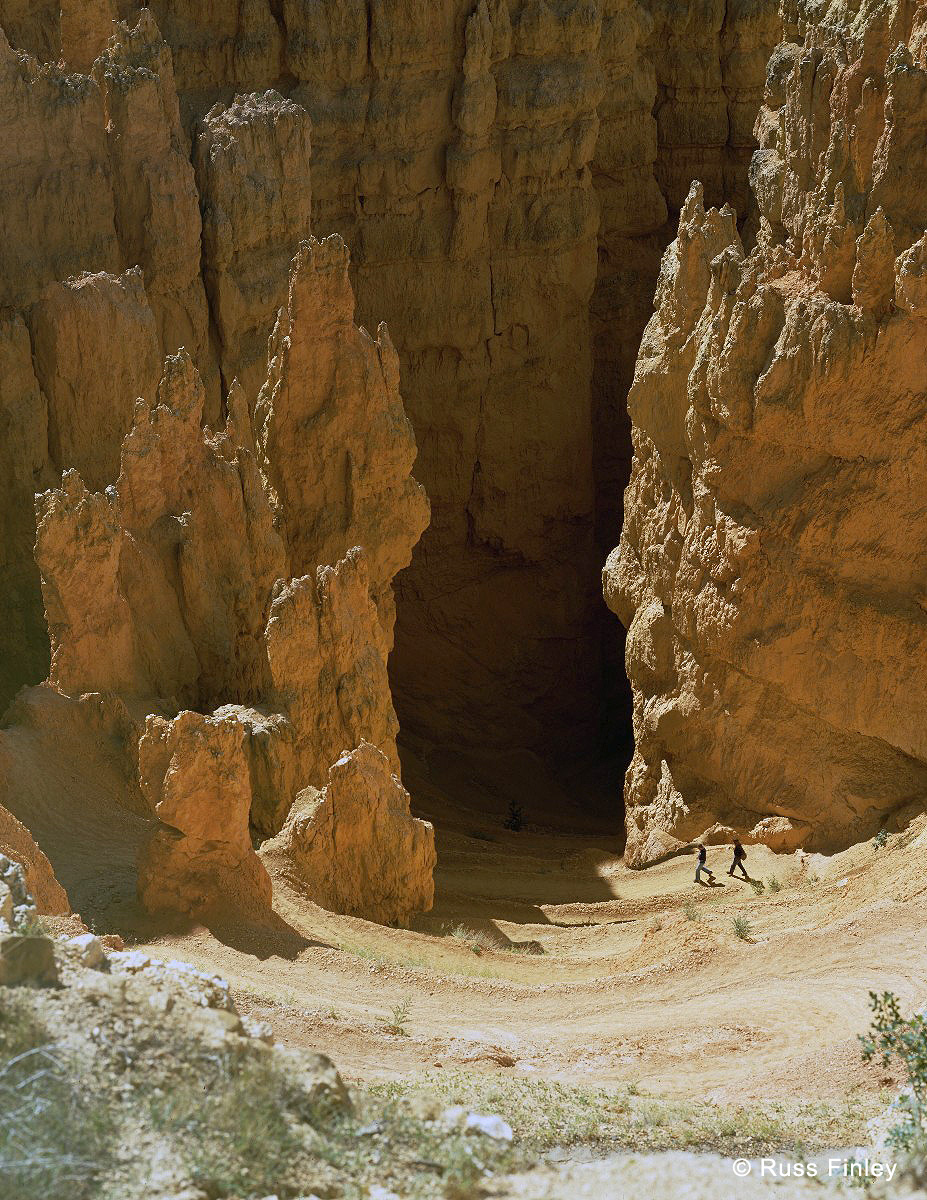
The Navajo Loop is one of Bryce Canyon’s signature hikes. Beginning at Sunset Point, the trail descends among towering hoodoos and passes through narrow switchbacks and rock formations. The trail offers a close-up experience of the park’s remarkable geology.
6. Queen’s Garden Trail
Often combined with the Navajo Loop, this trail leads hikers through a landscape of unusual rock formations and provides one of the easiest ways to experience the canyon below the rim.
7. Rainbow Point and Yovimpa Point
Located at the southern end of the park’s scenic drive, these viewpoints offer expansive vistas reaching far beyond the main amphitheater. They generally receive fewer visitors than the central viewpoints.
Best Times to Visit
Spring (April to May)
Spring brings comfortable temperatures and blooming wildflowers. Some higher-elevation trails may still have lingering snow early in the season, but crowds are relatively light.
Summer (June to August)
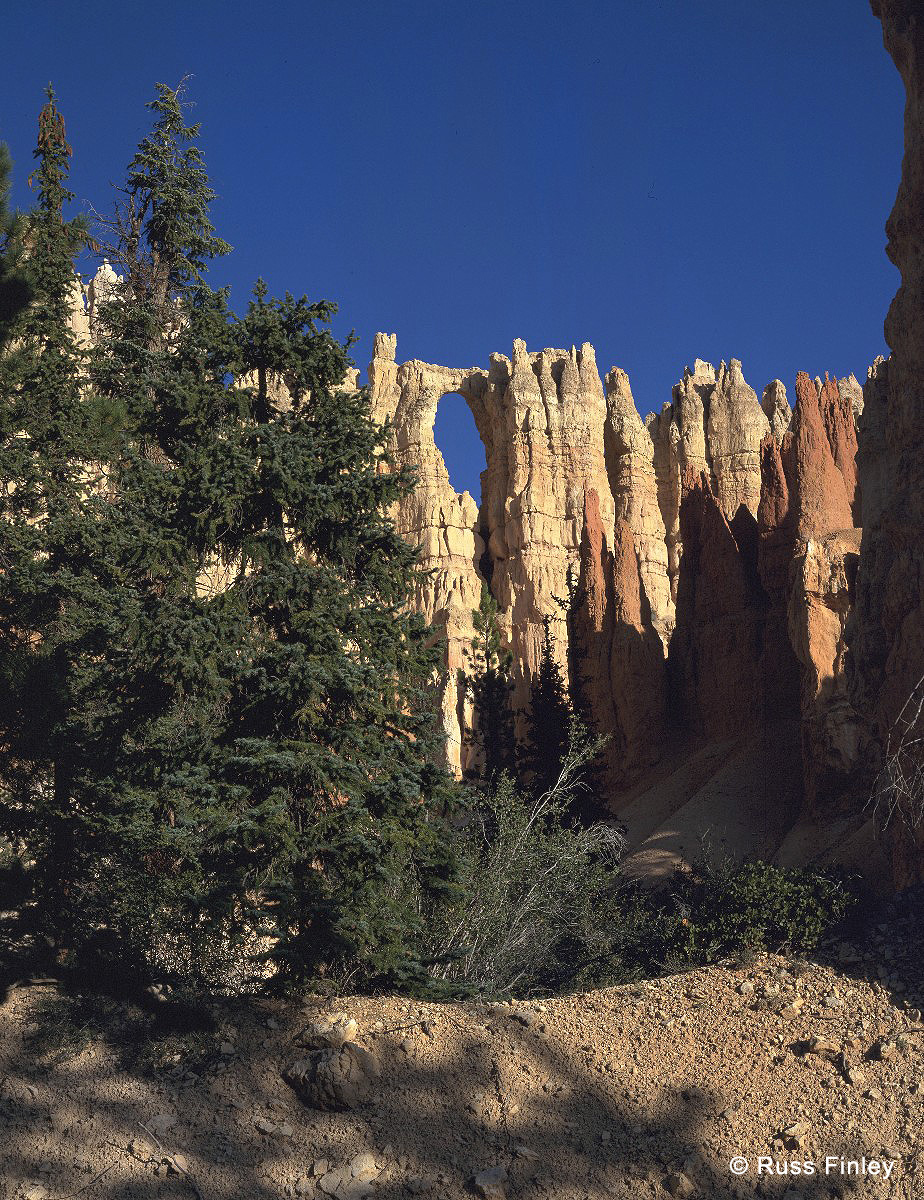
Summer is the busiest season. Daytime temperatures are pleasant thanks to Bryce Canyon’s high elevation, typically much cooler than nearby desert parks. Visitors should start hikes early because afternoon thunderstorms are common in July and August.
Fall (September to October)
Many experienced visitors consider fall the ideal time to visit. The weather is cool and comfortable, crowds begin to decrease after Labor Day, and autumn colors add beauty to the surrounding forests.
Winter (November to March)
Winter transforms Bryce Canyon into a magical landscape where snow contrasts with the red-orange hoodoos. Visitor numbers are low, creating a peaceful experience. Some trails may have icy conditions, but the scenery is exceptional.
Travel Tips
- Arrive early to enjoy the best lighting and easier parking.
- Stay hydrated, as the park sits between 8,000 and 9,000 feet in elevation.
- Consider using the seasonal shuttle during busy summer months.
- Bring layers, as temperatures can change quickly, even during summer.
- Spend at least one evening stargazing. Bryce Canyon is recognized for its exceptionally dark skies.
Conclusion
Bryce Canyon National Park offers some of the most extraordinary scenery in the United States. Whether you’re photographing hoodoos at sunrise, hiking among towering rock formations, or enjoying a star-filled night sky, Bryce Canyon delivers unforgettable experiences year-round. For the best combination of pleasant weather and moderate crowds, plan your visit during late spring or early fall, when conditions are ideal for both sightseeing and hiking.