
Death Valley National Park, located primarily in eastern California and extending into Nevada, is one of the most remarkable and dramatic landscapes in the United States. Covering more than 3.4 million acres, it is the largest national park in the contiguous United States. Known for its striking desert scenery, colorful canyons, towering sand dunes, salt flats, and rugged mountains, Death Valley offers visitors a glimpse into one of the harshest yet most beautiful environments on Earth.
Despite its intimidating name, Death Valley is a place of incredible natural diversity. The park contains the lowest point in North America at Badwater Basin, which sits 282 feet below sea level. At the same time, snow-capped peaks can sometimes be seen on the surrounding mountains during winter. This contrast of extremes makes Death Valley a fascinating destination for nature lovers, photographers, hikers, and adventurers.
Best Places to Visit
1. Badwater Basin
Badwater Basin is the park’s most famous attraction and the lowest point in North America. Vast white salt flats stretch across the valley floor, creating an otherworldly landscape that is particularly stunning at sunrise and sunset. Visitors can walk onto the salt flats and experience the immense scale of the basin.
2. Zabriskie Point
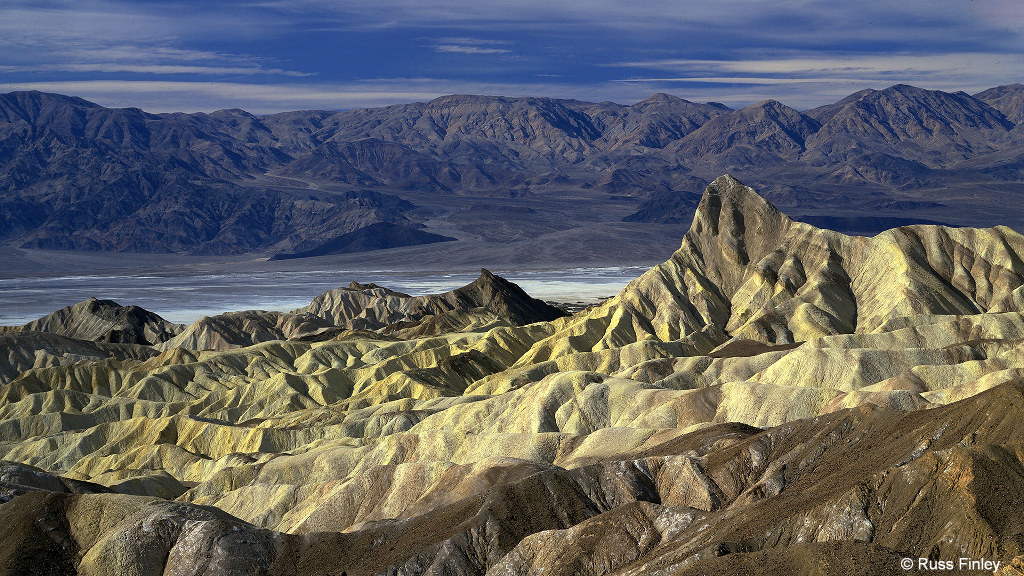
One of the most photographed locations in Death Valley, Zabriskie Point overlooks a maze of golden and brown badlands sculpted by erosion. The dramatic colors and textures are especially beautiful during sunrise when the first light illuminates the hills.
3. Mesquite Flat Sand Dunes
These iconic dunes near Stovepipe Wells provide classic desert scenery. Visitors can hike among rolling waves of sand, enjoy excellent photography opportunities, and experience peaceful desert solitude. Early morning and late afternoon are ideal for avoiding the heat and capturing the best light.
4. Dante’s View
Perched more than 5,000 feet above the valley floor, Dante’s View offers one of the most spectacular panoramas in the park. From this overlook, visitors can see Badwater Basin, the Panamint Mountains, and much of the valley below.
5. Artist’s Drive and Artist’s Palette
Artist’s Drive is a scenic road that winds through colorful hills stained by minerals. The highlight is Artist’s Palette, where shades of pink, green, purple, and gold create a vibrant natural canvas unlike anywhere else in the park.
6. Golden Canyon
This popular hiking area features narrow canyons lined with golden rock formations. Trails range from short walks to longer hikes connecting with Zabriskie Point and other scenic areas.
7. Ubehebe Crater
Formed by a massive volcanic explosion thousands of years ago, Ubehebe Crater is nearly half a mile wide and over 600 feet deep. Visitors can walk around the rim for impressive views of the crater and surrounding desert.
8. Racetrack Playa
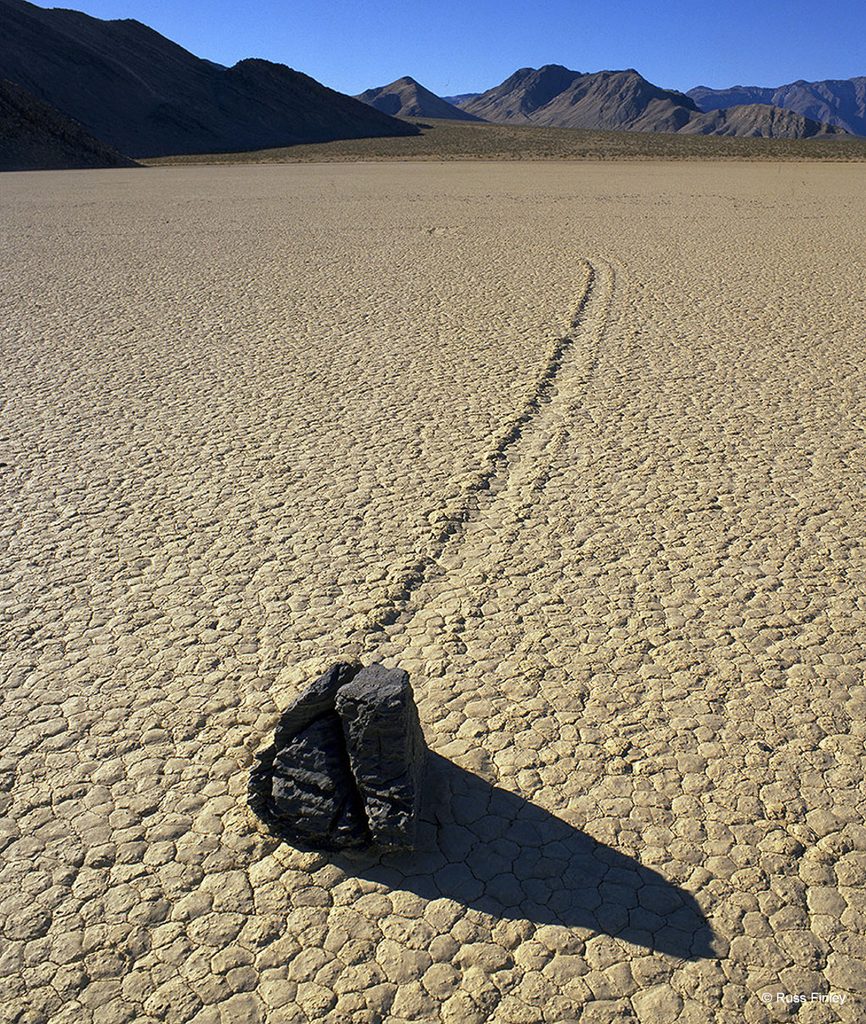
Known for its mysterious “sailing stones,” Racetrack Playa is a remote dry lakebed where rocks appear to move across the surface, leaving long tracks behind them. The journey requires a high-clearance vehicle, but the unique phenomenon makes it a memorable destination.
Best Times to Visit
Fall (October-November)
Fall is one of the best seasons to visit Death Valley. Daytime temperatures become more comfortable, making sightseeing and hiking enjoyable. Crowds are generally moderate, and the weather is ideal for exploring the park’s major attractions.
Winter (December-February)
Winter is considered the peak season for many visitors. Daytime temperatures are mild, often ranging from the 60s to low 70s Fahrenheit. This season is excellent for hiking, photography, and camping. Snow occasionally dusts the mountain peaks, creating striking contrasts with the desert below.
Spring (March-April)
Spring is another outstanding time to visit. Wildflowers may bloom following wet winters, transforming parts of the desert into colorful displays. Pleasant temperatures and longer daylight hours make this one of the most popular times of year.
Summer (May-September)
Summer brings extreme heat, with temperatures frequently exceeding 110°F (43°C) and sometimes reaching well above 120°F (49°C). While fewer tourists visit during this period, outdoor activities can be dangerous during daylight hours. Visitors who come in summer should plan activities early in the morning or after sunset and carry plenty of water.
Tips for Visitors
- Carry more water than you think you will need.
- Wear sunscreen, a hat, and lightweight protective clothing.
- Fill your fuel tank before entering remote areas.
- Check road and weather conditions before traveling.
- Visit major viewpoints at sunrise or sunset for the best scenery and photography.
- Be prepared for limited cell phone service throughout much of the park.
Suggested 3-Day Death Valley Itinerary
If you have three days to explore Death Valley National Park, this itinerary allows you to experience the park’s most famous sights while enjoying some of its lesser-known gems.
Day 1: Iconic Viewpoints and Salt Flats
Sunrise: Zabriskie Point
- Arrive before dawn to watch the sun illuminate the colorful badlands.
- Spend time photographing the dramatic landscape.
Morning: Badwater Basin
- Walk onto the vast salt flats.
- Visit the sign marking the lowest point in North America.
Lunch: Furnace Creek
- Stop for lunch and visit the Furnace Creek Visitor Center to learn about the park’s geology and history.
Afternoon: Artist’s Drive and Artist’s Palette
- Take the scenic drive through multicolored hills.
- Short walks provide excellent views of the vibrant rock formations.
Sunset: Dante’s View
- Finish the day at one of the park’s most spectacular overlooks.
- Watch the changing colors across the valley floor as the sun sets.
Day 2: Sand Dunes and Canyon Hiking
Early Morning: Mesquite Flat Sand Dunes
- Explore the dunes before temperatures rise.
- Enjoy photography and a peaceful desert walk.
Mid-Morning: Golden Canyon

- Hike through the narrow canyon surrounded by golden rock walls.
- More ambitious hikers can continue toward Red Cathedral or Zabriskie Point.
Lunch: Stovepipe Wells
- Relax and refuel before continuing your exploration.
Afternoon: Mosaic Canyon
- Hike through polished marble walls and narrow passages.
- This is one of the park’s most rewarding short hikes.
Evening: Stargazing
- Death Valley is designated as an International Dark Sky Park.
- Spend the evening enjoying some of the best stargazing opportunities in the United States.
Day 3: Remote Wonders and Geological Highlights
Morning: Ubehebe Crater
- Walk along the rim of this massive volcanic crater.
- Learn about the explosive forces that shaped the landscape.
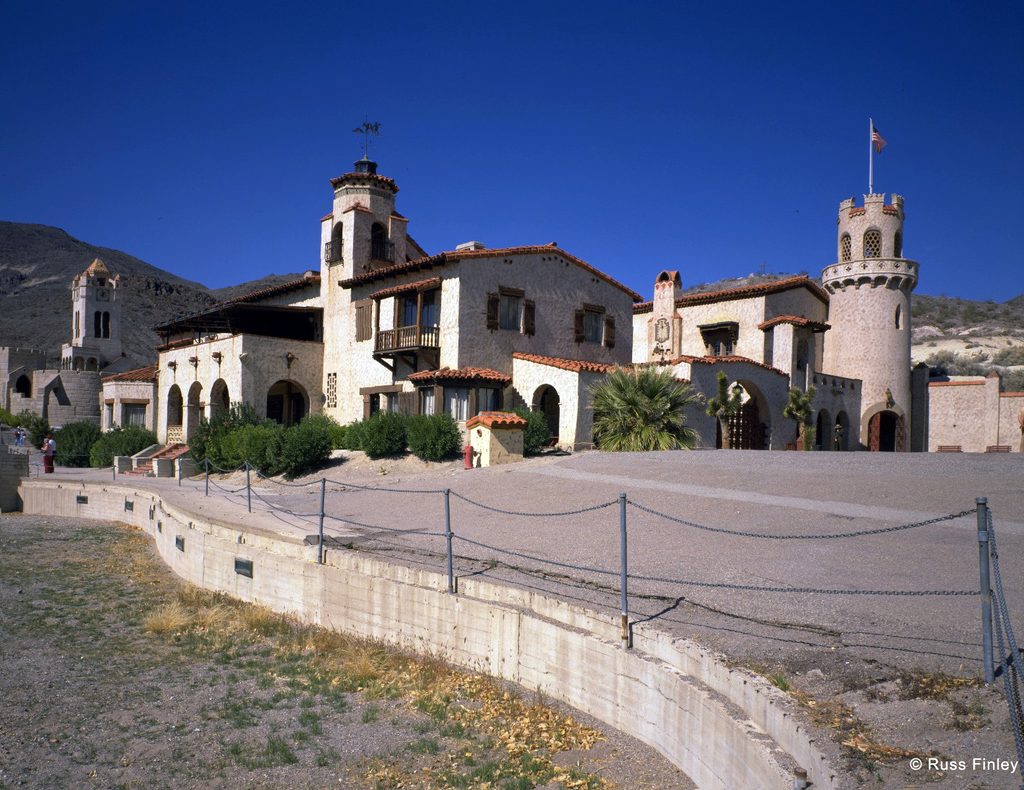
Late Morning: Scotty’s Castle Area
- Drive through the northern portion of the park and enjoy views of remote desert terrain.
Afternoon Option 1: Racetrack Playa
- If you have a high-clearance vehicle and a full day available, visit the famous sailing stones.
- Allow extra travel time due to rough road conditions.
Afternoon Option 2: Easy Exploration
- Revisit favorite viewpoints.
- Explore shorter scenic stops and historic sites around Furnace Creek.
Sunset: Return to Badwater Basin or Mesquite Flat Dunes
- End your trip with one final desert sunset in one of the park’s most photogenic locations.
Short 1-Day Highlights Itinerary
If you only have one day in Death Valley:
- Sunrise at Zabriskie Point
- Badwater Basin
- Artist’s Drive and Artist’s Palette
- Lunch at Furnace Creek
- Mesquite Flat Sand Dunes
- Sunset at Dante’s View
This route covers the park’s most famous attractions and provides an excellent introduction to Death Valley’s unique landscapes.
Recommended Length of Stay
- 1 Day: See the major highlights.
- 2-3 Days: Ideal for most visitors.
- 4-5 Days: Best for photographers, hikers, and visitors interested in exploring remote areas such as Racetrack Playa, Eureka Dunes, and backcountry roads.
For the most enjoyable experience, plan your visit between November and March, when temperatures are comfortable and outdoor activities can be enjoyed throughout the day.
Conclusion
Death Valley National Park is a destination of striking beauty and extraordinary contrasts. From the salt flats of Badwater Basin and the colorful hills of Artist’s Palette to the sweeping views from Dante’s View and the rolling Mesquite Flat Sand Dunes, the park offers unforgettable experiences around every corner. For the most comfortable weather and the widest range of activities, plan your visit during fall, winter, or spring. Whether you’re a photographer, hiker, or simply someone who appreciates unique landscapes, Death Valley is one of America’s most awe-inspiring national parks.