
Located off the coast of Southern California, Channel Islands National Park is one of America’s most unique and least-visited national parks. The park protects five remarkable islands: Anacapa, Santa Cruz, Santa Rosa, San Miguel, and Santa Barbara, along with the surrounding ocean waters. Together, they preserve a rich ecosystem that is often called the “Galápagos of North America” because of its extraordinary diversity of plants and animals found nowhere else on Earth. [nps.gov], [home.nps.gov]
Unlike most national parks, there are no roads connecting visitors to the islands. Access is primarily by boat, creating a sense of adventure from the very beginning. Once on the islands, visitors can enjoy dramatic sea cliffs, secluded beaches, sea caves, wildlife viewing, hiking trails, kayaking, snorkeling, and camping in a pristine natural setting. [nps.gov], [home.nps.gov]
Best Places to Visit
Santa Cruz Island
Santa Cruz is the largest and most popular island in the park. It offers excellent hiking trails, beautiful coastal scenery, and opportunities to see the famous island fox. The Scorpion Anchorage area is particularly popular for day trips, kayaking, and exploring sea caves. Visitors looking for a classic Channel Islands experience often start here. [nps.gov], [home.nps.gov]
Anacapa Island
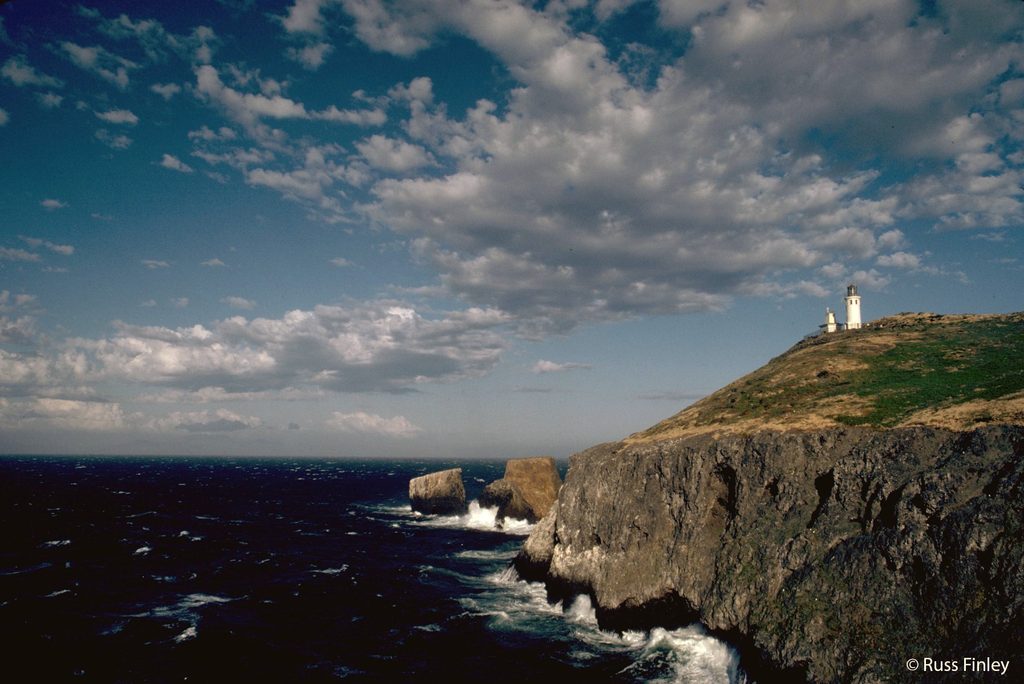
Anacapa is known for its dramatic cliffs, iconic lighthouse, and spectacular ocean views. It is one of the easiest islands to visit on a day trip and is famous for nesting seabirds and excellent photography opportunities. Walking paths provide unforgettable views of the rugged coastline and natural arches. [nps.gov], [home.nps.gov]
Santa Rosa Island
Santa Rosa features rolling hills, white-sand beaches, and wide-open landscapes that feel worlds away from mainland California. The island is ideal for hikers seeking solitude and beautiful coastal scenery. Camping and multi-day visits are especially rewarding here. [home.nps.gov]
San Miguel Island
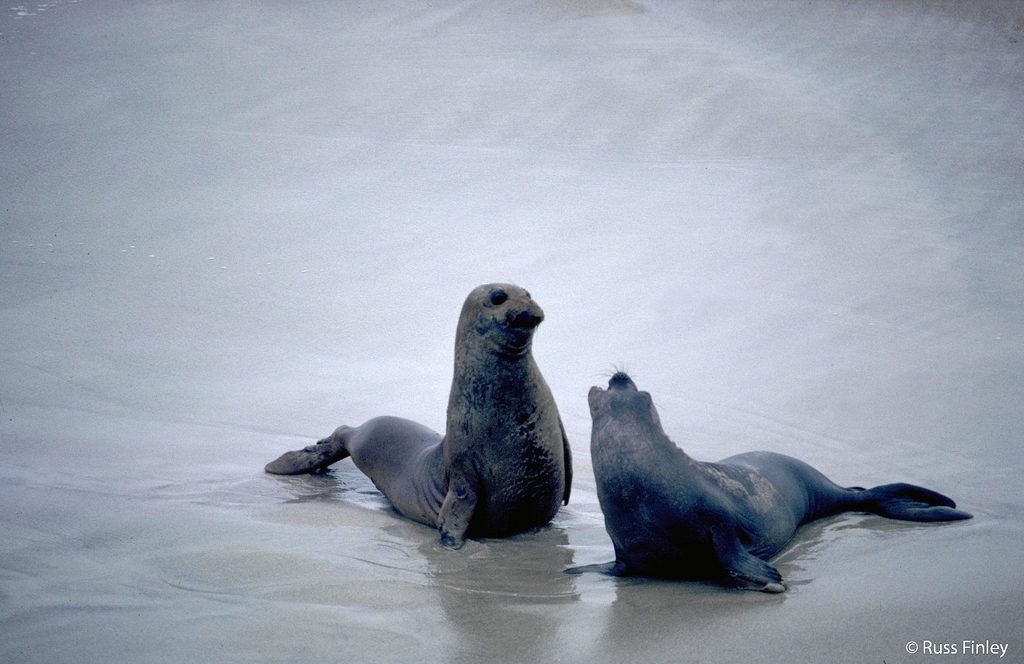
Known for its remote wilderness character, San Miguel offers dramatic vistas and extraordinary wildlife viewing. Visitors may see thousands of seals and sea lions along its shores. Because of its isolation and longer travel times, San Miguel appeals most to adventurous travelers. [home.nps.gov]
Santa Barbara Island
The smallest island in the park is a paradise for bird watchers. Its steep cliffs and abundant seabird colonies make it a fascinating destination for nature enthusiasts seeking a quieter experience. [nps.gov]
Best Times to Visit
Spring (March-May)
Spring is one of the most beautiful seasons on the islands. Wildflowers bloom across the landscape, including the brilliant yellow coreopsis flowers. The islands are green, migratory birds are active, and island fox pups are born. This is an excellent time for hiking and wildlife viewing. [nps.gov]
Summer (June-August)
Summer is the busiest season and the ideal time for kayaking, snorkeling, swimming, diving, and sailing. Blue and humpback whales can often be seen offshore, while calmer seas make transportation and water activities more enjoyable. [nps.gov]
Fall (September-November)
Many experienced visitors consider fall the best overall season. Ocean temperatures are at their warmest, underwater visibility is often excellent for snorkeling and diving, and visitor numbers begin to decrease. The weather remains pleasant for hiking and camping. [nps.gov]
Winter (December-February)
Winter offers peaceful landscapes, beautiful sunsets, and opportunities to view migrating gray whales, which typically pass through the area from late December into spring. Cooler temperatures and rougher seas are possible, but the islands are generally less crowded. [nps.gov]
Conclusion
Channel Islands National Park provides a rare opportunity to experience coastal California as it existed centuries ago. Whether you want to kayak through sea caves on Santa Cruz Island, photograph seabirds on Anacapa, hike remote trails on Santa Rosa, or watch whales offshore, the park offers unforgettable adventures in a pristine island environment. For most visitors, spring and fall provide the best combination of pleasant weather, wildlife viewing, and manageable crowds, while summer is ideal for water-based activities. [nps.gov], [home.nps.gov]