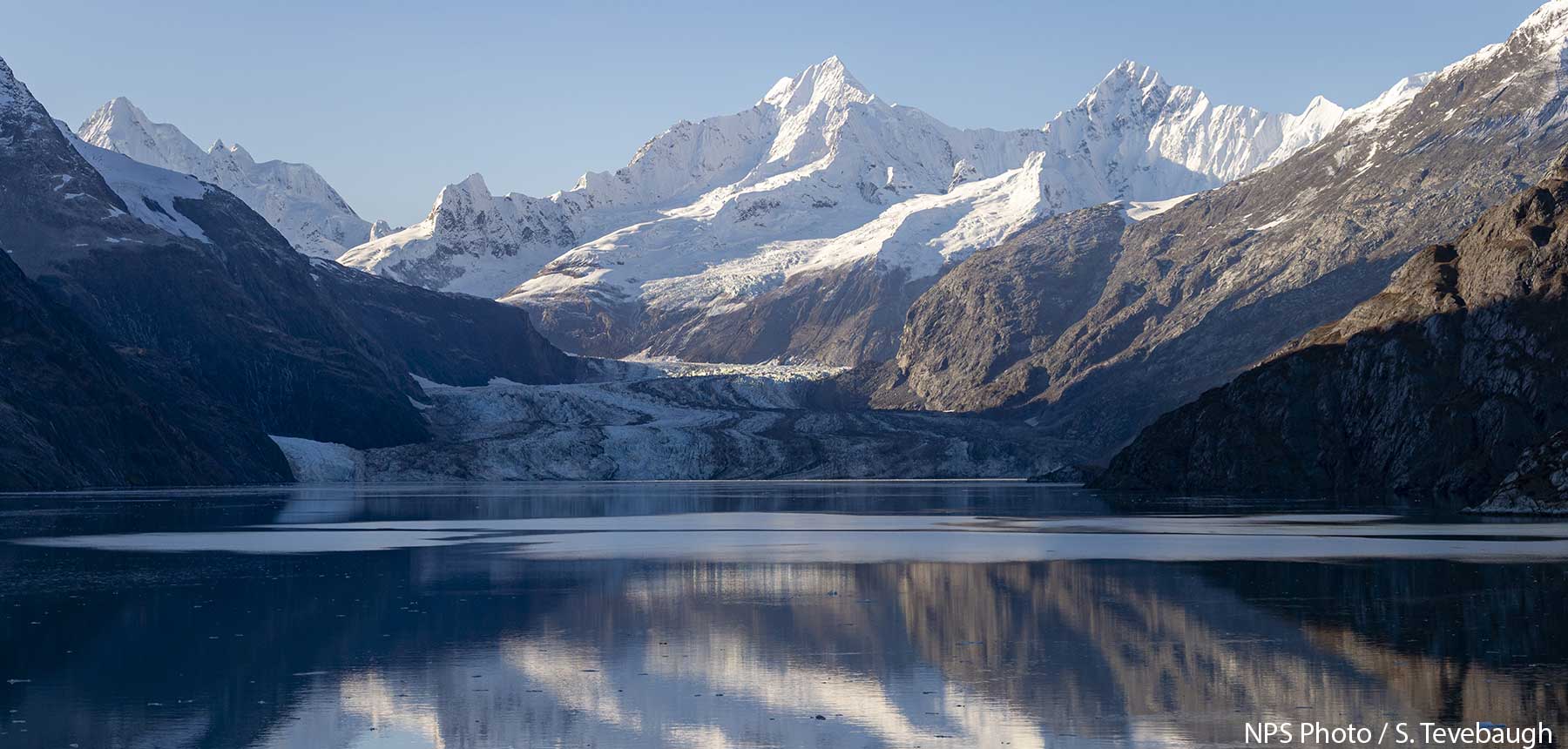
Glacier Bay National Park and Preserve is one of Alaska’s most spectacular destinations, a vast wilderness of glaciers, fjords, mountains, rainforests, and abundant wildlife. Covering more than 3 million acres in southeastern Alaska, the park is a UNESCO World Heritage Site and part of one of the world’s largest protected natural areas. Visitors come to witness massive tidewater glaciers, watch whales and sea otters, and experience one of the most dramatic landscapes on Earth. [nps.gov]
Why Visit Glacier Bay?
Glacier Bay is a place where nature is constantly changing. Just over 250 years ago, a single glacier filled the entire bay. Today, retreating ice has revealed deep fjords, lush forests, and thriving wildlife habitats. The park offers opportunities to see glacier calving, humpback whales feeding, brown bears along the shoreline, and bald eagles soaring overhead. [nps.gov]
Best Places to Visit
Johns Hopkins Glacier
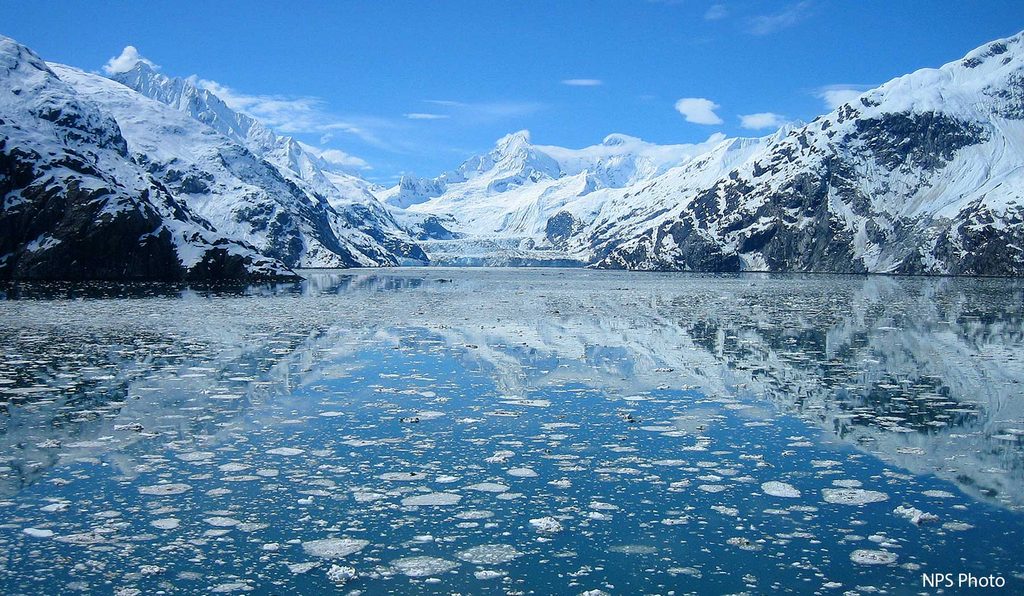
One of the most active and stunning glaciers in the park, Johns Hopkins Glacier rises hundreds of feet above the water. Visitors often witness dramatic calving events as chunks of ice break away and crash into the bay. Harbor seals frequently rest on nearby ice floes.
Margerie Glacier
Located at the head of Tarr Inlet, Margerie Glacier is among Glacier Bay’s most photographed attractions. Its towering ice face stretches for miles and often produces thunderous calving displays. Many cruise ships and tour boats spend significant time here due to its remarkable scenery.
Bartlett Cove
Bartlett Cove serves as the park’s headquarters and is the easiest area to explore on foot. Several short hiking trails wind through coastal forest and along the shoreline. The visitor center and Glacier Bay Lodge are located here. [nps.gov]
Tarr Inlet
This spectacular fjord is surrounded by steep mountains and glaciers. Wildlife sightings are common, including mountain goats perched on cliffs and bears foraging near the water’s edge.
Muir Inlet
Once filled by the Grand Pacific Glacier, Muir Inlet showcases the powerful forces of glacial change. Kayakers and boaters enjoy exploring its rugged coastline and observing newly formed ecosystems.
Beardslee Islands
The Beardslee Islands offer protected waters ideal for kayaking. Paddlers can navigate among small islands while searching for sea otters, harbor seals, and seabirds.
Glacier Bay Day Tour
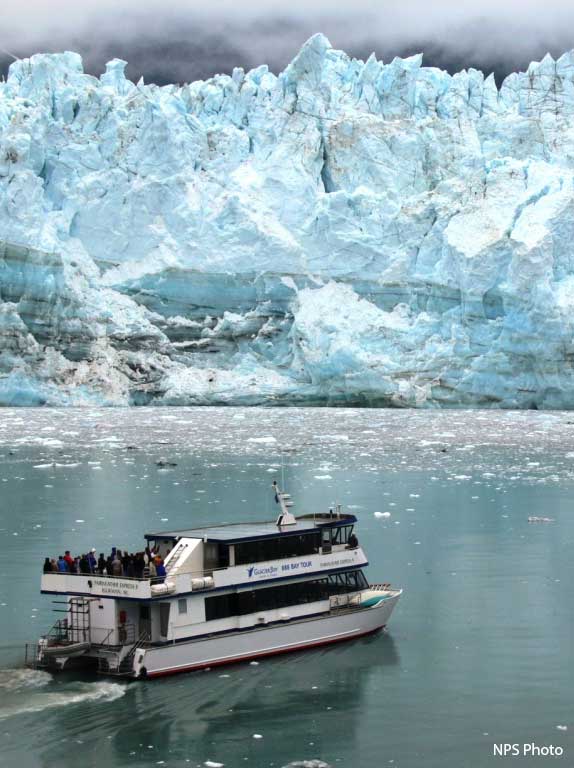
Many visitors experience the park through a full-day boat tour departing from Bartlett Cove. These tours provide access to wildlife-rich areas and multiple glacier viewpoints, making them one of the best ways to see the park’s highlights.
Wildlife Viewing
Glacier Bay is one of North America’s premier wildlife destinations. Common sightings include:
- Humpback whales
- Orcas (killer whales)
- Sea otters
- Harbor seals
- Brown bears
- Black bears
- Mountain goats
- Bald eagles
- Puffins and other seabirds
The combination of glaciers, ocean waters, and coastal forests creates an exceptionally rich ecosystem. [nps.gov]
Best Times to Visit
June through Early September (Best Overall)
The most popular and reliable time to visit Glacier Bay is from June through early September, when temperatures are relatively mild, wildlife is highly active, and visitor services are fully operating. Long daylight hours provide ample opportunities for sightseeing and photography. [alaskaitinerary.com], [parksmanager.com]
May (Best for Fewer Crowds)
May offers cooler temperatures, emerging wildlife activity, and fewer visitors. The days are already quite long, and visitors may enjoy a quieter experience while still having access to many services. [visitwhen.com], [whentovisitparks.com]
July and August (Peak Season)
These are the warmest months and provide the best conditions for boat tours, kayaking, and wildlife viewing. Humpback whales are commonly seen, and nearly all park services are available. Expect the largest crowds during this period. [alaskaitinerary.com], [visitwhen.com]
September (Excellent for Photography)
Fall colors begin appearing in parts of the park, and visitor numbers decline. Weather can be wetter and less predictable, but photographers often enjoy dramatic skies and fewer crowds. [parksmanager.com], [visitwhen.com]
October through April
Winter is remote and challenging, with limited services, shorter days, and frequent storms. However, experienced adventurers may find unparalleled solitude and wilderness. [parksmanager.com]
Suggested 2-Day Itinerary
Day 1
- Explore Bartlett Cove
- Visit the Glacier Bay Visitor Center
- Walk the Forest Loop Trail
- Enjoy sunset views along the shoreline
Day 2
- Take a full-day Glacier Bay boat tour
- Visit Margerie Glacier and Johns Hopkins Glacier
- Watch for whales, sea otters, and seals
- Photograph the dramatic scenery of Tarr Inlet
Final Thoughts
Glacier Bay National Park is one of the crown jewels of Alaska and perhaps the finest place in North America to witness the power of glaciers alongside thriving marine wildlife. Whether you’re cruising past towering walls of ice, kayaking among remote islands, or watching humpback whales feed against a backdrop of snow-capped peaks, Glacier Bay delivers an unforgettable wilderness experience. For most travelers, planning a visit between June and early September provides the best combination of weather, wildlife viewing, and access to the park’s extraordinary natural wonders. [alaskaitinerary.com], [nps.gov]