Often called the “Crown of the Continent,” Glacier National Park in northwestern Montana is one of the most spectacular national parks in the United States. Established in 1910, the park encompasses over one million acres of rugged mountains, alpine meadows, crystal-clear lakes, and diverse wildlife. With more than 700 miles of hiking trails and breathtaking scenery around every corner, Glacier National Park offers unforgettable experiences for visitors of all ages.
Best Places to Visit
Going-to-the-Sun Road
The park’s most famous attraction is the 50-mile Going-to-the-Sun Road, a historic scenic drive that crosses the Continental Divide at Logan Pass. The road provides access to some of Glacier’s most iconic landscapes, including towering peaks, waterfalls, and sweeping valley views. Numerous pullouts and overlooks make it easy to stop for photographs and short walks.
Logan Pass
Located at the highest point on Going-to-the-Sun Road, Logan Pass is one of the park’s most popular destinations. The area offers excellent opportunities for wildlife viewing, including mountain goats and bighorn sheep. It is also the starting point for several outstanding hikes.
Hidden Lake Overlook
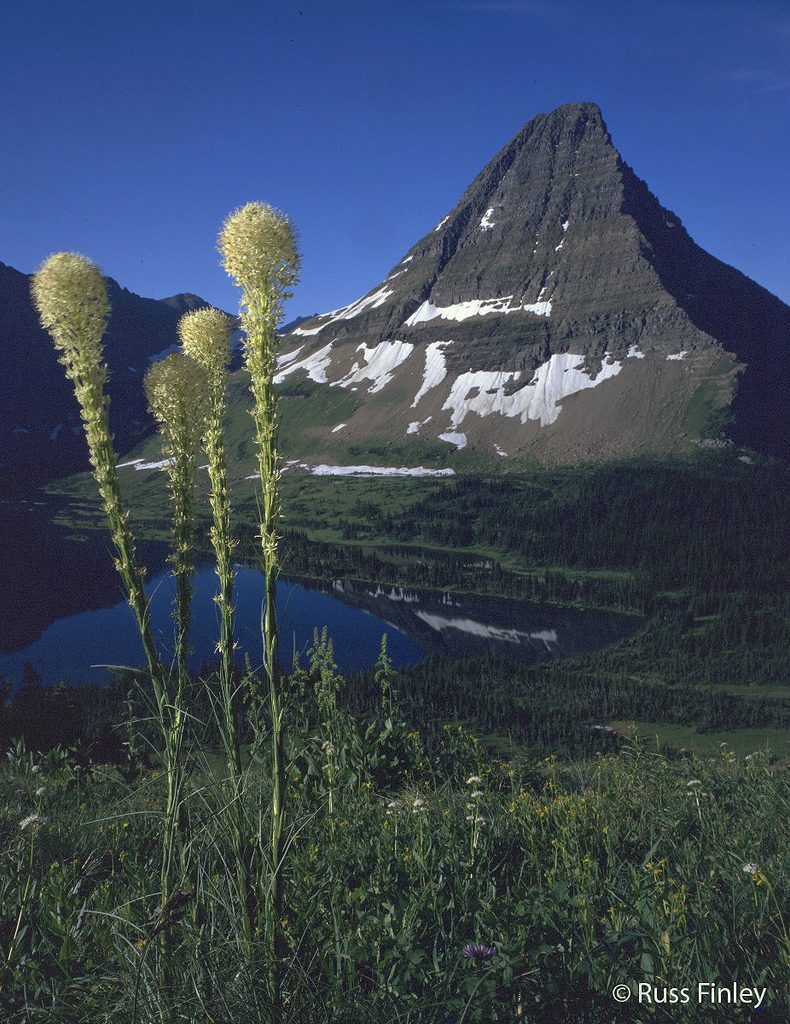
The trail to Hidden Lake Overlook is one of the park’s most rewarding short hikes. A boardwalk traverses alpine meadows filled with wildflowers during summer, leading to panoramic views of Hidden Lake and the surrounding mountains.
Lake McDonald
As the largest lake in the park, Lake McDonald is famous for its colorful pebbled shoreline and stunning reflections of the surrounding peaks. Visitors can enjoy boat tours, kayaking, paddleboarding, or simply relaxing along the shore.

Many Glacier
Often considered the heart of Glacier National Park, the Many Glacier area offers some of the park’s most dramatic scenery. The region features turquoise lakes, towering peaks, and excellent hiking opportunities. Wildlife sightings are common, including bears, moose, and bighorn sheep.
Grinnell Glacier
The hike to Grinnell Glacier is widely regarded as one of the best trails in the park. The route passes pristine lakes, waterfalls, and alpine vistas before reaching one of the park’s remaining glaciers.
Swiftcurrent Lake
Located in the Many Glacier region, Swiftcurrent Lake provides beautiful views and easy access to several hiking trails. Canoe rentals and lakeside walks make it a favorite family destination.
St. Mary Lake
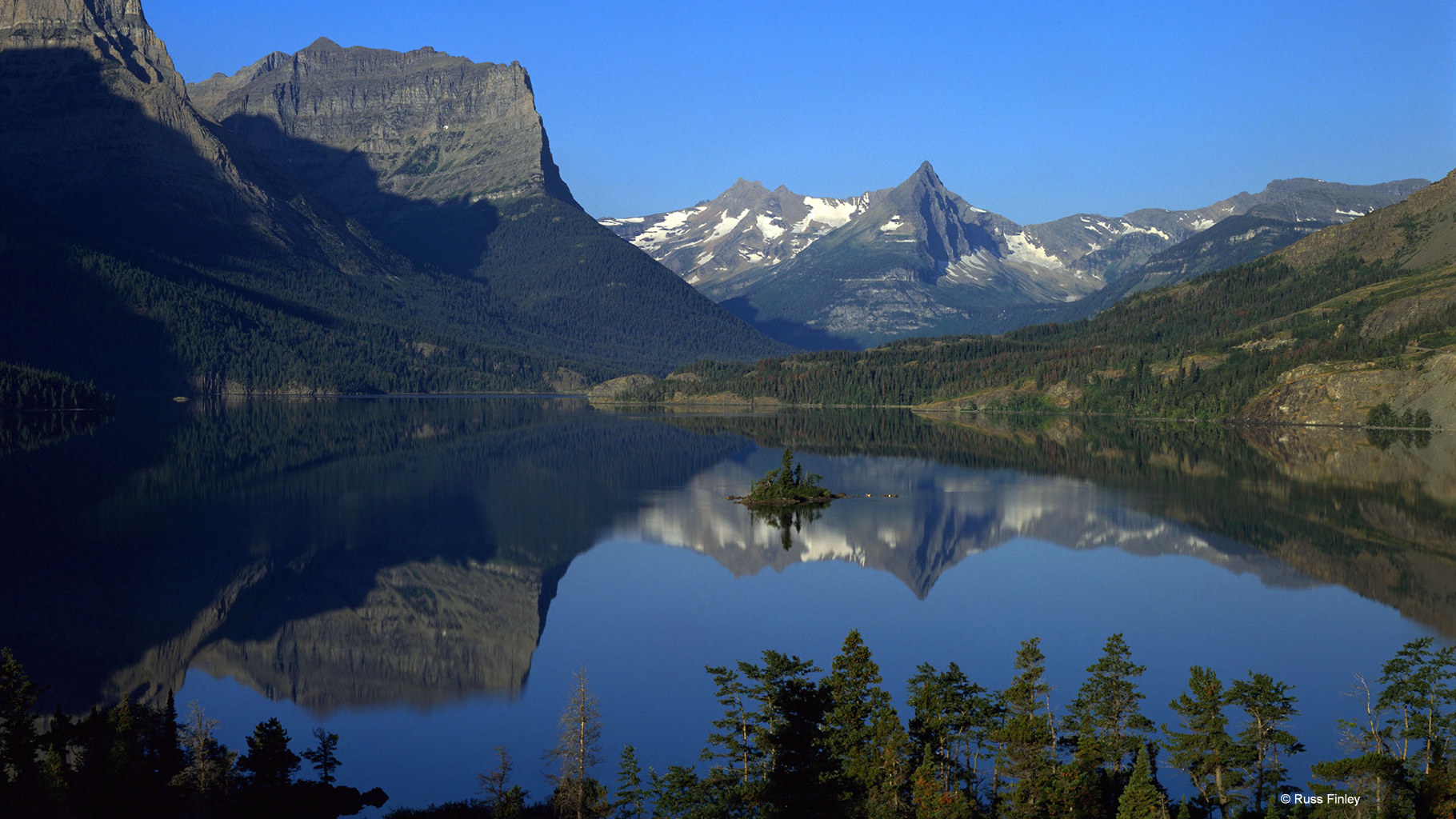
The park’s second-largest lake is known for its vibrant blue water and the iconic Wild Goose Island, one of the most photographed locations in Glacier National Park.
Two Medicine
Less crowded than many other areas of the park, Two Medicine offers excellent hiking, boating, and opportunities to experience Glacier’s natural beauty in a quieter setting.
Avalanche Lake
One of the park’s most popular hikes leads to Avalanche Lake, a stunning lake surrounded by steep cliffs and cascading waterfalls. The trail follows the scenic Trail of the Cedars before entering a mountain valley.
Best Times to Visit
Summer (Late June through Early September)
Summer is the most popular time to visit Glacier National Park. This period provides:
- Full access to Going-to-the-Sun Road
- Open visitor centers and park facilities
- The best hiking conditions
- Wildflower displays in alpine meadows
- Boat tours and ranger programs
July and August offer the warmest weather but also the largest crowds.
Early Fall (September)
September is considered by many visitors to be the ideal time to visit. Benefits include:
- Fewer crowds
- Pleasant daytime temperatures
- Fall colors beginning to appear
- Increased wildlife activity
- Better availability of lodging
Most roads and services remain open through much of the month, weather permitting.
Spring (May through June)
Spring brings blooming wildflowers and rushing waterfalls. Visitors can enjoy quieter conditions, but higher-elevation roads and trails may remain snow-covered, and Going-to-the-Sun Road is often not fully open until late June or early July.
Winter (November through April)
Winter transforms Glacier into a peaceful wilderness. While many roads and facilities close, visitors can enjoy:
- Cross-country skiing
- Snowshoeing
- Winter photography
- Solitude and snowy mountain scenery
Road access is limited, and weather conditions can be severe.
Suggested 3-Day Itinerary
Day 1: West Glacier
- Drive Going-to-the-Sun Road
- Explore Lake McDonald
- Hike Trail of the Cedars
- Visit Avalanche Lake
Day 2: Logan Pass and St. Mary
- Hike Hidden Lake Overlook
- Stop at Logan Pass Visitor Center
- Photograph Wild Goose Island
- Explore St. Mary Lake
Day 3: Many Glacier
- Visit Swiftcurrent Lake
- Hike to Grinnell Glacier (or partway)
- Watch for wildlife in Many Glacier Valley
- Enjoy sunset views at Many Glacier Hotel
Wildlife and Travel Tips
Glacier National Park is home to grizzly bears, black bears, moose, mountain goats, elk, and bighorn sheep. Always maintain a safe distance from wildlife and carry bear spray when hiking.
Because lodging and campground reservations fill quickly, visitors planning a summer trip should book accommodations several months in advance. Weather in the mountains can change rapidly, so layered clothing is recommended year-round.
Whether you’re driving one of America’s most scenic roads, hiking to a glacier-fed lake, or watching mountain goats roam alpine meadows, Glacier National Park delivers a quintessential Rocky Mountain experience that leaves a lasting impression on every visitor.