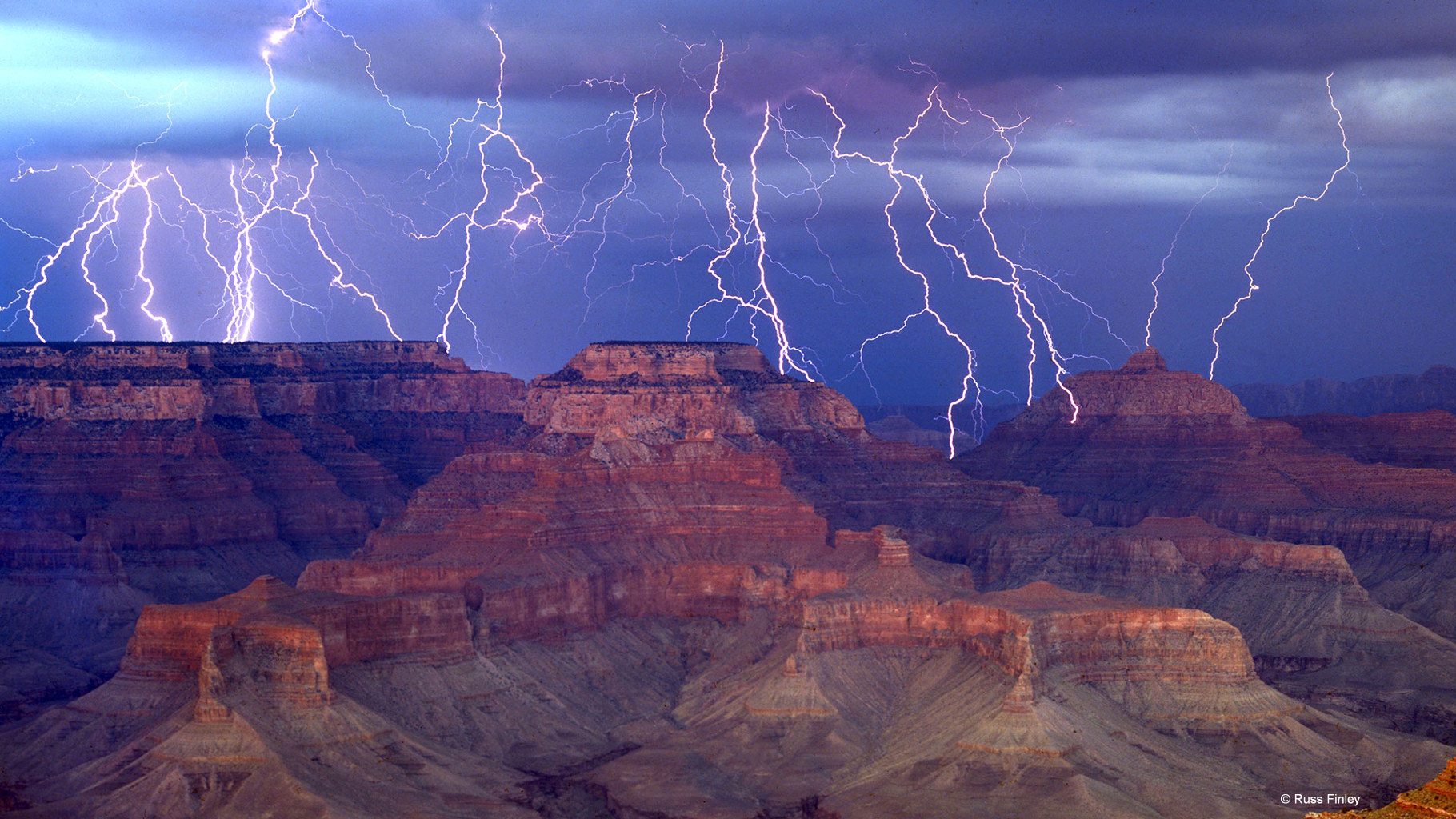
Few places on Earth inspire awe like Grand Canyon National Park. Carved by the Colorado River over millions of years, this immense canyon stretches approximately 277 miles across northern Arizona and reveals nearly two billion years of geological history in its colorful rock layers. Whether you’re seeking breathtaking viewpoints, adventurous hikes, or unforgettable sunrises and sunsets, the Grand Canyon offers experiences that belong on every traveler’s bucket list.
Overview
Established as a national park in 1919, Grand Canyon National Park is one of the most visited national parks in the United States. The park is divided into two primary sections:
- South Rim – Open year-round and home to most visitor services.
- North Rim – Higher in elevation, quieter, and open seasonally from mid-May through mid-October.
For first-time visitors, the South Rim is the most accessible and offers many of the park’s most famous viewpoints.
Best Places to Visit
1. Mather Point

Located near the South Rim Visitor Center, Mather Point is often the first stop for visitors. The expansive views provide a dramatic introduction to the canyon’s scale and beauty.
Highlights:
- Easy access
- Excellent sunrise views
- Great photography opportunities
2. Yavapai Point and Geology Museum
One of the best places to understand the canyon’s formation and geology. Informative exhibits help visitors identify the rock layers visible across the canyon.
Highlights:
- Panoramic canyon views
- Educational exhibits
- Excellent location for sunset
3. Desert View Watchtower

Located on the eastern end of the South Rim, this historic stone tower was designed by architect Mary Colter. Climbing to the top provides exceptional views of the Colorado River and eastern canyon.
Highlights:
- Historic architecture
- Colorado River views
- Less crowded than central viewpoints
4. Bright Angel Trail
The park’s most famous hiking trail descends deep into the canyon and offers several turnaround options for day hikers.
Highlights:
- Well-maintained trail
- Water stations during much of the year
- Access to some of the canyon’s most spectacular scenery
Popular turnaround points:
- 1.5 Mile Resthouse
- 3 Mile Resthouse
- Indian Garden
5. South Kaibab Trail
Many experienced hikers consider this trail the most scenic route into the canyon.
Highlights:
- Unobstructed views
- Ooh Aah Point
- Cedar Ridge
- Skeleton Point
Unlike Bright Angel Trail, water is not available along much of this route, so preparation is essential.
6. Grand Canyon Village
The historic heart of the South Rim features lodges, restaurants, museums, and scenic overlooks connected by the Rim Trail.
Highlights:
- Historic El Tovar Hotel
- Hopi House
- Visitor facilities
- Easy canyon access
7. Rim Trail
A mostly paved walking path that follows the canyon rim for miles, offering stunning views with minimal elevation change.
Highlights:
- Suitable for all ages
- Multiple access points
- Excellent sunset walks
8. Cape Royal (North Rim)
Often considered the most spectacular overlook on the North Rim, Cape Royal offers sweeping views and a different perspective of the canyon.
Highlights:
- Angel’s Window rock formation
- Panoramic vistas
- Less crowded atmosphere
9. Point Imperial (North Rim)
At 8,803 feet, Point Imperial is the highest viewpoint in the park.
Highlights:
- Highest elevation overlook
- Colorful geology
- Outstanding sunrise photography
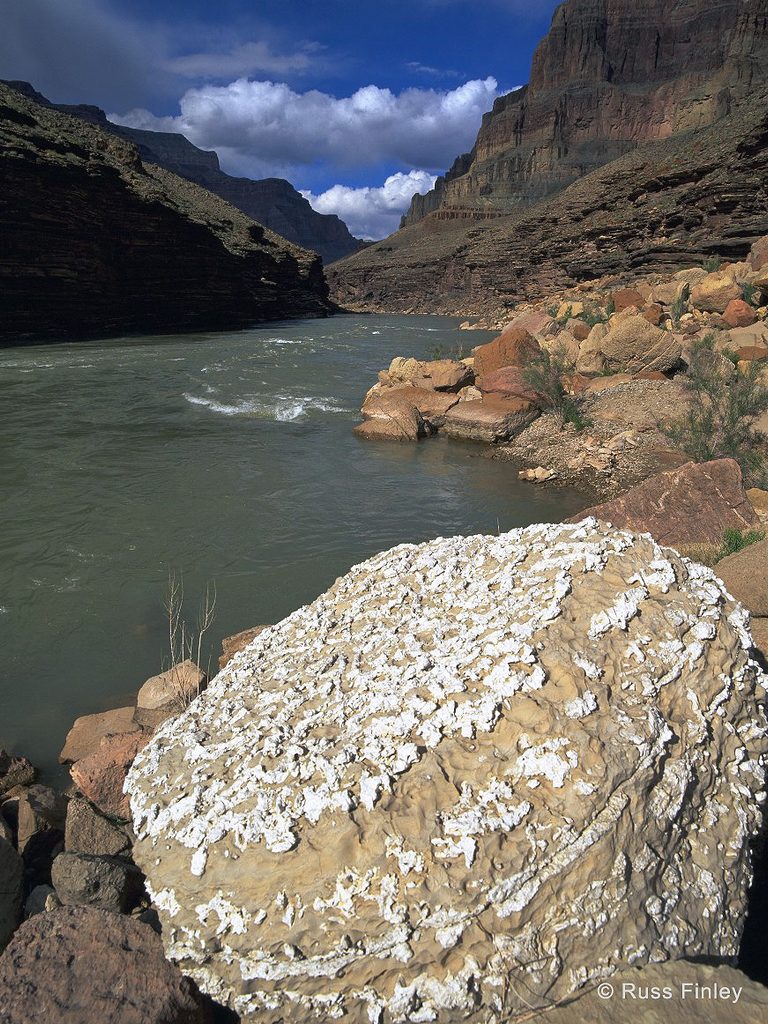
10. Havasupai Point and Hermit Road
Accessible by shuttle during much of the year, Hermit Road includes numerous overlooks such as Hopi Point, Mohave Point, and Pima Point.
Highlights:
- Excellent sunset locations
- Less vehicle congestion
- Multiple viewpoints in a short distance
Best Times to Visit
Spring (March to May)
One of the best overall seasons
Temperatures are pleasant, wildflowers begin to bloom, and visitor crowds are generally lighter than summer.
Pros
- Comfortable hiking weather
- Fewer crowds
- Beautiful spring scenery
Cons
- Occasional late snowstorms
- Variable temperatures
Summer (June to August)
Most popular season
The South Rim remains relatively comfortable, but temperatures inside the canyon can exceed 100°F (38°C).
Pros
- Full services available
- Longer daylight hours
- Family-friendly vacation season
Cons
- Largest crowds
- Crowded viewpoints and trails
- Extreme heat below the rim
Fall (September to November)
Arguably the best time to visit
Cooler temperatures and smaller crowds create ideal conditions for hiking and sightseeing.
Pros
- Pleasant weather
- Great visibility
- Beautiful autumn colors
Cons
- Shorter days later in the season
Winter (December to February)
Best for solitude
Snow occasionally dusts the canyon rim, creating spectacular scenery that contrasts with the red rock walls.
Pros
- Minimal crowds
- Unique photography opportunities
- Lower lodging rates
Cons
- Cold temperatures
- Possible snow and ice on trails
- North Rim closed
Suggested Two-Day Itinerary
Day 1: South Rim Highlights
- Sunrise at Mather Point
- Visit Yavapai Geology Museum
- Walk a section of the Rim Trail
- Explore Grand Canyon Village
- Sunset at Hopi Point
Day 2: Hiking and Scenic Views
- Early hike on South Kaibab Trail to Cedar Ridge
- Lunch in Grand Canyon Village
- Drive to Desert View Watchtower
- Sunset at Yavapai Point
Travel Tips
- Arrive early to secure parking and avoid crowds.
- Carry more water than you think you’ll need, especially when hiking below the rim.
- Remember that descending is optional, but climbing back out is mandatory and much more difficult.
- Sunrise and sunset provide the most dramatic lighting and colors.
- Reserve lodging well in advance, particularly during spring and summer.
Final Thoughts
Grand Canyon National Park is more than just a scenic destination. Its vast landscapes, colorful rock formations, and incredible hiking opportunities create an experience that is both humbling and unforgettable. While the South Rim offers iconic viewpoints and easy access, the quieter North Rim rewards visitors with solitude and unique perspectives. For the best combination of weather, scenery, and manageable crowds, plan your visit during spring or fall, and make time to experience both sunrise and sunset over one of the world’s greatest natural wonders.