
Nestled in southern Colorado at the base of the rugged Sangre de Cristo Mountains, Great Sand Dunes National Park and Preserve is home to the tallest sand dunes in North America. Rising more than 700 feet above the valley floor, these massive dunes create a landscape that feels more like a desert oasis than a mountain national park. Visitors can hike towering dunes, splash in seasonal streams, explore alpine forests, and enjoy some of the darkest night skies in the United States.
Why Visit Great Sand Dunes National Park?
Great Sand Dunes offers a unique combination of environments rarely found in one destination. Within a relatively small area, visitors can experience vast dunes, wetlands, grasslands, mountain forests, alpine lakes, and high peaks. The park’s dramatic scenery makes it popular for hiking, photography, stargazing, wildlife viewing, and family adventures.
Best Places to Visit
Star Dune
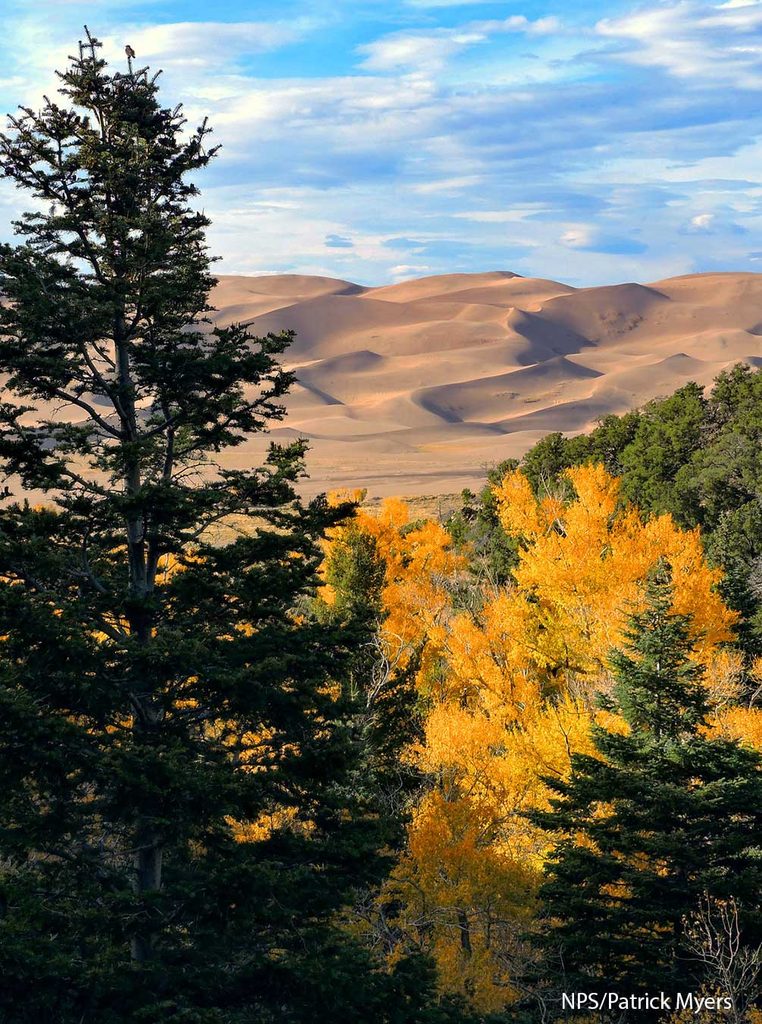
At approximately 741 feet tall, Star Dune is one of the tallest sand dunes in North America. The challenging hike rewards visitors with panoramic views of the dune field, the San Luis Valley, and the surrounding mountains. This destination is best suited for experienced hikers prepared for steep climbs through deep sand.
High Dune on First Ridge
The most popular dune hike in the park, High Dune provides spectacular views without requiring a full-day trek. Reaching the summit takes most visitors between two and three hours round trip and offers a perfect introduction to the park’s unique landscape.
Medano Creek
Often called Colorado’s natural beach, Medano Creek flows seasonally along the base of the dunes during late spring and early summer. Families gather here to splash, float, build sand castles, and cool off after hiking. The combination of sand dunes and flowing water creates one of the park’s most memorable experiences.
Hidden Dune
Less crowded than High Dune, Hidden Dune offers a quieter hiking experience. The journey crosses the dune field and provides excellent opportunities for solitude, photography, and wildlife sightings.
Medano Pass Primitive Road
This rugged four-wheel-drive route travels through forests, sand, and mountain terrain. The road features primitive campsites, creek crossings, and access to remote sections of the preserve. High-clearance four-wheel-drive vehicles are required.
Mosca Pass Trail
For visitors seeking a traditional mountain hike, Mosca Pass Trail climbs through forests and meadows into the Sangre de Cristo Mountains. Wildlife such as mule deer, elk, and black bears are occasionally seen along the trail.
Zapata Falls
Located just outside the park boundary, Zapata Falls is a beautiful waterfall hidden within a narrow canyon. A short hike leads visitors to a cool stream and a dramatic 30-foot waterfall, making it an excellent side trip.
Piñon Flats Campground
The park’s main campground sits at the edge of the dune field and provides convenient access to hiking trails, sunrise photography locations, and excellent night-sky viewing opportunities.
Best Time to Visit
Spring (April to May)
Spring is one of the most popular seasons. Temperatures are comfortable, and Medano Creek typically begins flowing. Snow remains visible on the surrounding mountains, creating striking scenery. Late May often brings peak creek flow and ideal conditions for families.
Highlights:
- Moderate temperatures
- Peak Medano Creek flow
- Excellent photography opportunities
- Wildflowers beginning to bloom
Summer (June to August)
Summer brings warm days and cool evenings. Afternoon thunderstorms are common, particularly in July and August. The dunes can become extremely hot by midday, making early morning and evening exploration preferable.
Highlights:
- Full access to most park facilities
- Warm weather camping
- Extended daylight hours
- Stargazing opportunities
Fall (September to October)
Many visitors consider fall the best overall time to visit. Temperatures are pleasant, crowds decrease, and nearby aspen forests display brilliant autumn colors.
Highlights:
- Cooler dune temperatures
- Fewer crowds
- Fall foliage in surrounding mountains
- Clear skies for photography
Winter (November to March)
Winter offers solitude and unique scenery as snow occasionally dusts the dunes. While temperatures can be cold, sunny days often make hiking enjoyable. Visitors may have large areas of the park nearly to themselves.
Highlights:
- Minimal crowds
- Dramatic snow-covered dunes
- Excellent wildlife viewing
- Outstanding dark-sky conditions
Suggested Two-Day Itinerary
Day 1: Dunes and Creek
- Watch sunrise over the dune field.
- Hike to High Dune.
- Relax at Medano Creek (seasonal).
- Explore the Visitor Center exhibits.
- Stay for sunset colors across the dunes.
- Enjoy stargazing after dark.
Day 2: Mountains and Waterfalls
- Hike the Mosca Pass Trail.
- Drive to Zapata Falls.
- Picnic with views of the San Luis Valley.
- Explore scenic pullouts around the park.
- Photograph sunset on the Sangre de Cristo Mountains.
Tips for Visiting
- Carry more water than you think you’ll need; hiking in sand is strenuous.
- Start dune hikes early to avoid hot sand and afternoon thunderstorms.
- Wear sunglasses and sunscreen, as sunlight reflects strongly off the sand.
- Bring footwear suitable for both loose sand and rocky trails.
- Check conditions before attempting Medano Pass Road.
- Stay after dark for some of Colorado’s finest stargazing.
Final Thoughts
Great Sand Dunes National Park is one of America’s most surprising and diverse national parks. Whether you’re climbing the towering dunes, splashing in Medano Creek, hiking mountain trails, or photographing stars above the desert-like landscape, the park offers experiences found nowhere else in the United States. For most visitors, late spring and early fall provide the ideal balance of comfortable weather, scenic beauty, and outdoor recreation opportunities.