
The National Park of American Samoa is one of the most unique and remote national parks in the United States. Located in the South Pacific Ocean, approximately 2,600 miles southwest of Hawaii, the park protects tropical rainforests, volcanic mountains, pristine beaches, coral reefs, and a rich Polynesian culture. Unlike many U.S. national parks, the National Park of American Samoa spans three islands: Tutuila, Ofu, and Ta‘ū, offering visitors a rare combination of natural beauty, marine ecosystems, and living Samoan traditions.
Covering more than 8,000 acres of land and 4,000 acres of marine habitat, the park is home to flying foxes, colorful reef fish, sea turtles, and lush tropical forests. Visitors who make the journey are rewarded with uncrowded trails, spectacular ocean views, and an authentic cultural experience unlike anywhere else in the National Park System.
Best Places to Visit
Mount Alava Trail
One of the most popular hikes in the park, the Mount Alava Trail offers panoramic views of Pago Pago Harbor, one of the largest natural harbors in the Pacific. The trail passes through dense rainforest and leads to a ridge with stunning viewpoints over the island and surrounding ocean.
Highlights
- Spectacular harbor views
- Tropical rainforest scenery
- Excellent birdwatching opportunities
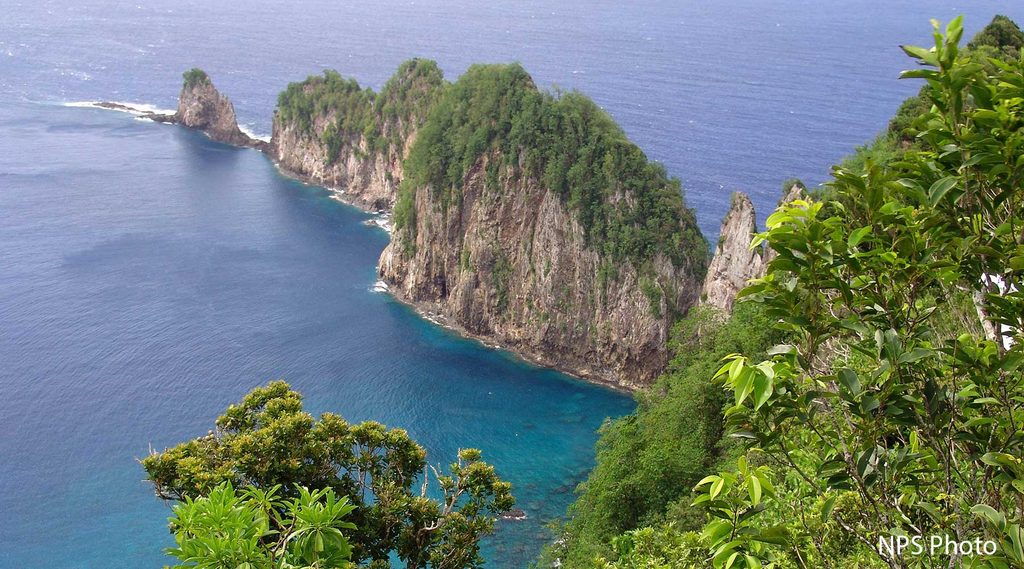
Pola Island Viewpoint
Located along the north shore of Tutuila, Pola Island is a dramatic volcanic sea stack rising from the ocean. Several short trails and viewpoints provide excellent opportunities for photography and wildlife observation.
Highlights
- Iconic park landmark
- Seabird nesting colonies
- Beautiful sunrise views
Vatia Village and Coastal Trails
The traditional Samoan village of Vatia serves as the starting point for several scenic hikes. Visitors can experience local culture while exploring forested trails that lead to secluded coves and dramatic coastal overlooks.
Highlights
- Cultural immersion
- Scenic ocean vistas
- Traditional Samoan village atmosphere
Ofu Beach
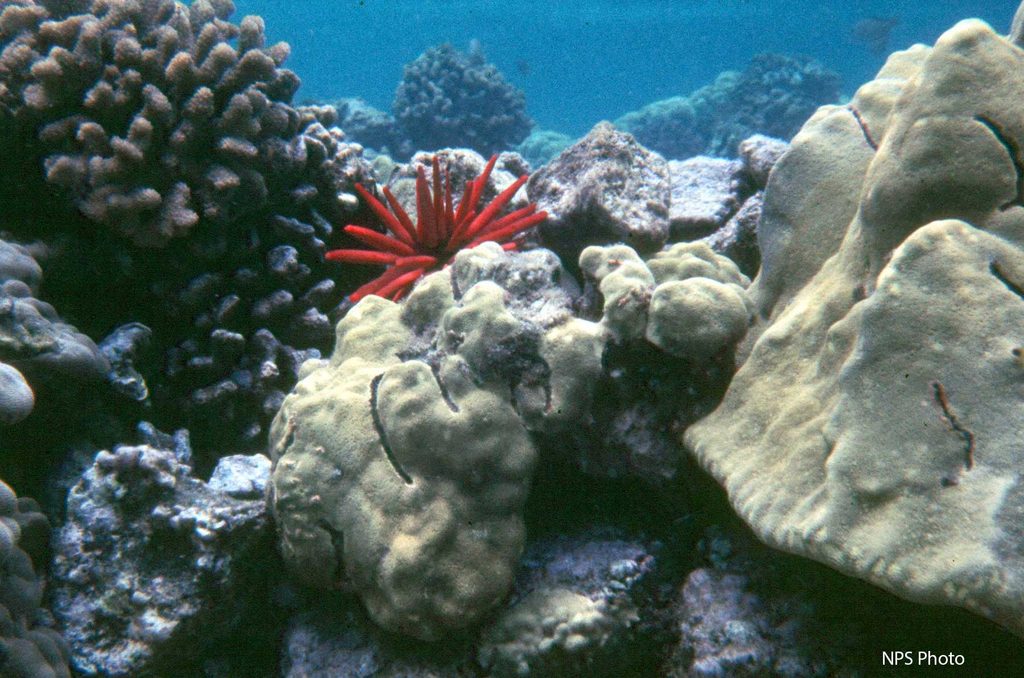
Widely regarded as one of the most beautiful beaches in the Pacific, Ofu Beach features white sand, crystal-clear water, and vibrant coral reefs. The protected offshore reef creates ideal conditions for swimming and snorkeling.
Highlights
- Exceptional snorkeling
- Coral reef ecosystems
- Pristine tropical scenery

Ta‘ū Island and Lata Mountain
Ta‘ū offers the park’s most remote wilderness experience. Hiking trails lead through dense rainforest to high volcanic ridges and the slopes of Lata Mountain, the highest point in American Samoa.
Highlights
- Remote wilderness
- Spectacular coastal cliffs
- Outstanding rainforest hiking
Fagatele Bay National Marine Sanctuary
Near the southwestern coast of Tutuila, this protected marine area offers excellent opportunities to observe coral reefs, tropical fish, and other marine life.
Highlights
- Healthy coral reefs
- Marine biodiversity
- Snorkeling and wildlife viewing
Wildlife and Natural Features
The park protects some of the most biologically diverse ecosystems in the Pacific.
Common wildlife includes:
- Samoan flying foxes (fruit bats)
- Pacific reef herons
- White-tailed tropicbirds
- Green sea turtles
- Hawksbill sea turtles
- Colorful coral reef fish
- Humpback whales during migration season
The park’s rainforest contains numerous native plant species and offers visitors a rare glimpse into one of the world’s most isolated tropical ecosystems.
Best Time to Visit
May to September (Best Overall)
This period generally offers the driest weather, lower humidity, and more comfortable temperatures. Conditions are ideal for hiking, snorkeling, and sightseeing.
Pros
- Less rainfall
- Clearer views
- Better hiking conditions
- Calm ocean conditions
October to April (Wet Season)
The wet season brings warmer temperatures, higher humidity, and increased rainfall. Tropical storms are possible, particularly from December through March.
Pros
- Lush green landscapes
- Fewer visitors
- Excellent opportunities for cultural experiences
Cons
- Frequent rain showers
- Muddy hiking trails
- Increased chance of travel disruptions
Suggested 3-Day Itinerary
Day 1: Explore Tutuila
- Visit the National Park Visitor Center in Pago Pago
- Hike the Mount Alava Trail
- Stop at Pola Island viewpoints
- Enjoy local Samoan cuisine in Pago Pago
Day 2: Discover Ofu Island
- Relax on Ofu Beach
- Snorkel the coral reef
- Explore the coastline
- Watch the sunset over the Pacific
Day 3: Adventure on Ta‘ū Island
- Hike rainforest trails
- Visit traditional villages
- Explore volcanic landscapes
- Observe birds and native wildlife
Travel Tips
- Flights typically connect through Hawaii before reaching American Samoa.
- Respect local customs and village regulations.
- Dress modestly when visiting villages.
- Bring reef-safe sunscreen to protect coral ecosystems.
- Hiking trails can be steep and humid, so carry plenty of water.
- Cash is useful in some remote locations.
- Ferry and inter-island flight schedules can be limited, so plan transportation in advance..
Why Visit National Park of American Samoa?
For travelers seeking a truly off-the-beaten-path national park experience, the National Park of American Samoa offers unmatched rewards. Between its lush rainforests, dramatic volcanic coastlines, world-class coral reefs, and vibrant Polynesian culture, the park provides a unique blend of natural beauty and cultural heritage. Visitors willing to make the journey will discover one of the most remote, beautiful, and unforgettable destinations in the entire U.S. National Park System.