
Rocky Mountain National Park is one of America’s most spectacular national parks, encompassing more than 415 square miles of rugged mountain landscapes in northern Colorado. Established in 1915, the park is home to towering peaks, alpine lakes, abundant wildlife, and over 300 miles of hiking trails. Visitors can experience everything from peaceful meadows and dense forests to windswept tundra above 12,000 feet.
Whether you’re looking for scenic drives, wildlife viewing, challenging hikes, or alpine adventures, Rocky Mountain National Park offers unforgettable experiences in every season.
Best Places to Visit
Trail Ridge Road

Often called the “Highway to the Sky,” Trail Ridge Road is one of the highest paved roads in North America. Reaching elevations of over 12,000 feet, this scenic drive crosses the Continental Divide and provides breathtaking views of alpine tundra, mountain peaks, and valleys.
Highlights include:
- Forest Canyon Overlook
- Alpine Visitor Center
- Milner Pass
- Numerous pullouts for photography and wildlife viewing
The road is typically open from late May through October, depending on weather conditions.
Bear Lake
Bear Lake is one of the park’s most popular destinations and serves as a gateway to several iconic hiking trails. The easy loop around the lake offers stunning reflections of surrounding peaks and is accessible for visitors of most fitness levels.
This area is especially beautiful at sunrise and during autumn when aspens turn brilliant shades of gold.
Emerald Lake
The hike to Emerald Lake is one of Rocky Mountain National Park’s classic trails. Along the route, hikers pass:
- Nymph Lake
- Dream Lake
- Emerald Lake
The relatively short hike rewards visitors with spectacular views of jagged mountain peaks and crystal-clear alpine waters.
Moraine Park
Moraine Park is one of the best places in the park to view wildlife. Large herds of elk frequently graze in the meadows, particularly during fall mating season. The broad valley also provides excellent scenery and opportunities for photography.
Alberta Falls
One of the park’s most popular waterfalls, Alberta Falls drops approximately 30 feet through a rocky gorge. The hike is short and family-friendly, making it ideal for first-time visitors.
Longs Peak
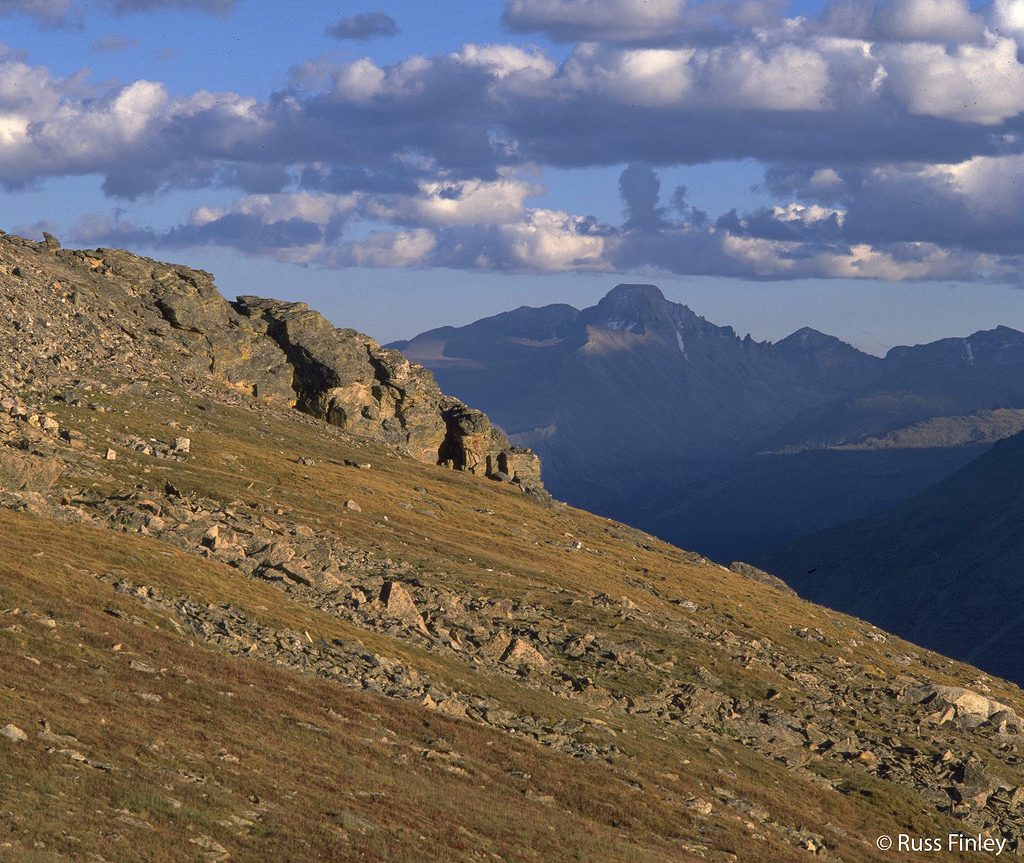
At 14,259 feet, Longs Peak is the highest mountain in the park and one of Colorado’s most famous fourteeners. Even visitors who do not attempt the strenuous summit hike can enjoy stunning views from nearby trails and overlooks.
Experienced hikers can tackle the challenging Keyhole Route, but it requires excellent fitness, preparation, and favorable weather conditions.
Sprague Lake
Sprague Lake offers one of the easiest and most scenic walks in the park. The flat trail circles the lake and provides exceptional reflections of the Continental Divide. It is particularly popular at sunrise and sunset.
Wild Basin Area
Located in the southeastern portion of the park, Wild Basin offers quieter trails and beautiful waterfalls, including:
- Copeland Falls
- Calypso Cascades
- Ouzel Falls
This area is perfect for visitors seeking fewer crowds.
Alpine Visitor Center
Situated at over 11,700 feet, the Alpine Visitor Center provides an opportunity to experience the unique tundra ecosystem. Short interpretive trails introduce visitors to plants and animals that survive in this harsh environment.
Estes Park
While technically outside the park boundaries, Estes Park serves as the primary gateway community. Visitors can enjoy dining, shopping, lodging, and additional wildlife viewing opportunities before or after exploring the park.
Best Times to Visit
Summer (June through August)
Best for: Hiking, scenic drives, camping, and alpine exploration
Summer is the park’s busiest season. Most trails are snow-free, Trail Ridge Road is fully open, and visitors can access nearly all areas of the park.
Pros
- Warmest temperatures
- Full access to park roads and trails
- Excellent hiking conditions
Cons
- Large crowds
- Reservation requirements may apply
- Afternoon thunderstorms are common
Fall (September through October)
Best for: Elk viewing, fall colors, photography, and cooler weather
Many visitors consider fall the most beautiful season in Rocky Mountain National Park. Aspen trees turn brilliant gold, and elk rutting season creates unique wildlife viewing opportunities.
Pros
- Vibrant fall foliage
- Active wildlife
- Smaller crowds than summer
Cons
- Increasing chance of snowstorms
- Trail Ridge Road may close temporarily due to weather
Winter (November through April)
Best for: Snowshoeing, cross-country skiing, solitude, and winter photography
Winter transforms the park into a snowy wonderland. While many roads close, visitors enjoy peaceful landscapes and exceptional opportunities for winter recreation.
Pros
- Very few crowds
- Spectacular snow-covered scenery
- Excellent wildlife tracking opportunities
Cons
- Limited road access
- Cold temperatures
- Some facilities closed
Spring (May through Early June)
Best for: Waterfalls, wildlife watching, and avoiding peak crowds
Spring is a transitional season. Lower elevations begin to thaw while higher elevations can remain snow-covered well into June.
Pros
- Fewer visitors
- Active wildlife
- Rushing streams and waterfalls
Cons
- Variable weather
- Many high-elevation trails remain snow-covered
- Trail Ridge Road may still be closed
Suggested Three-Day Itinerary
Day 1: Bear Lake Corridor
- Sunrise at Bear Lake
- Hike to Dream Lake and Emerald Lake
- Visit Alberta Falls
- Sunset at Sprague Lake
Day 2: Trail Ridge Road
- Drive Trail Ridge Road
- Stop at Forest Canyon Overlook
- Visit Alpine Visitor Center
- Cross the Continental Divide
- Explore the Kawuneeche Valley on the west side of the park
Day 3: Wildlife and Scenic Valleys
- Early morning in Moraine Park for elk viewing
- Explore the Wild Basin area
- Visit Ouzel Falls
- Evening wildlife watching in Horseshoe Park
Wildlife You May See
Rocky Mountain National Park supports a remarkable variety of wildlife, including:
- Elk
- Mule deer
- Bighorn sheep
- Moose
- Black bears
- Coyotes
- Marmots
- Pikas
- Golden eagles
- Numerous songbirds and raptors
Dawn and dusk are typically the best times for wildlife viewing.
Final Thoughts
Rocky Mountain National Park showcases some of the finest mountain scenery in the United States. From the alpine tundra along Trail Ridge Road to the tranquil shores of Bear Lake and the towering summit of Longs Peak, the park offers unforgettable experiences for visitors of all interests and skill levels. While summer provides the greatest access to trails and attractions, fall’s golden aspens and winter’s snowy solitude reveal equally memorable sides of this remarkable national park.