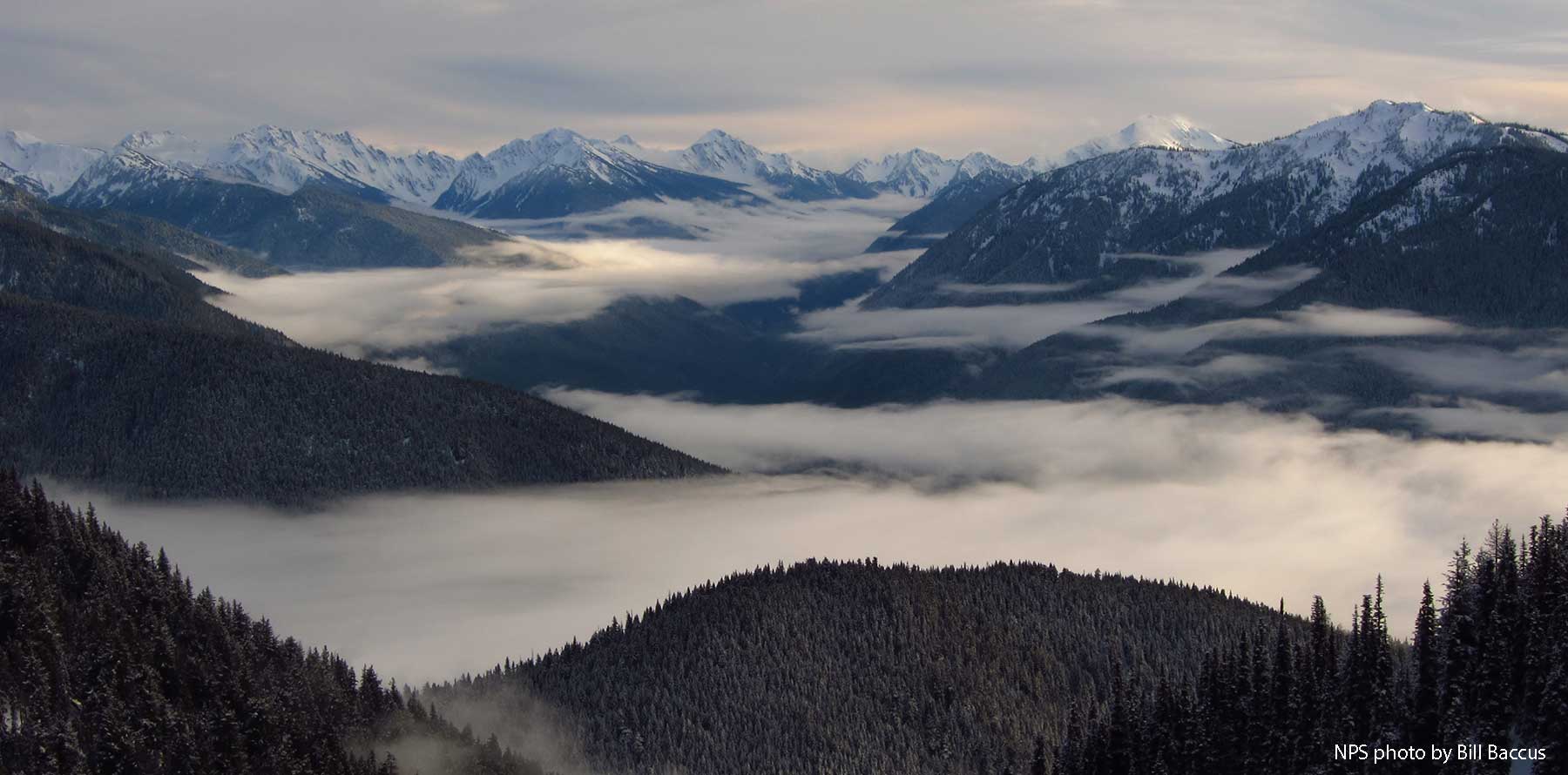
Olympic National Park is one of the most diverse national parks in the United States, protecting nearly one million acres of wilderness on Washington State’s Olympic Peninsula. Designated a UNESCO World Heritage Site and International Biosphere Reserve, the park is renowned for its incredible variety of landscapes, including rugged Pacific coastline, temperate rainforests, glacier-capped mountains, alpine meadows, and pristine lakes. Visitors can experience multiple ecosystems in a single trip, making Olympic one of the most rewarding national parks to explore.
Why Visit Olympic National Park?
Unlike many national parks that focus on a single landscape, Olympic offers an extraordinary range of environments. In a matter of hours, visitors can hike through old-growth forests draped in moss, walk along wild ocean beaches, admire snow-covered mountain peaks, and paddle on crystal-clear lakes. The park’s biodiversity and natural beauty make it a paradise for hikers, photographers, wildlife enthusiasts, and outdoor adventurers.
Best Places to Visit
Hurricane Ridge

Hurricane Ridge is the most accessible mountain area in the park and offers panoramic views of the Olympic Mountains. On clear days, visitors can see glacier-covered peaks stretching across the horizon. Several short trails provide excellent opportunities for hiking, wildlife viewing, and photography.
Highlights:
- Hurricane Hill Trail
- Sunrise and sunset viewpoints
- Wildflower meadows in summer
- Black-tailed deer and marmot sightings
Hoh Rain Forest

The Hoh Rain Forest is one of the largest temperate rainforests in North America. Massive Sitka spruce and western hemlock trees tower above trails lined with vibrant green mosses and ferns.
Highlights:
- Hall of Mosses Trail
- Spruce Nature Trail
- Towering old-growth forests
- Peaceful river views
Rialto Beach
Known for its dramatic sea stacks and rugged shoreline, Rialto Beach is one of Olympic’s most iconic coastal destinations. The powerful Pacific surf and driftwood-covered beaches create unforgettable scenery.
Highlights:
- Hole-in-the-Wall natural rock formation
- Spectacular sunsets
- Tidepool exploration
- Coastal photography
Ruby Beach
Ruby Beach is famous for its picturesque sea stacks, tide pools, and driftwood-strewn shoreline. It is often considered one of the most beautiful beaches in Washington.
Highlights:
- Easy beach access
- Tide pools filled with marine life
- Stunning sunsets
- Excellent photography opportunities
Lake Crescent
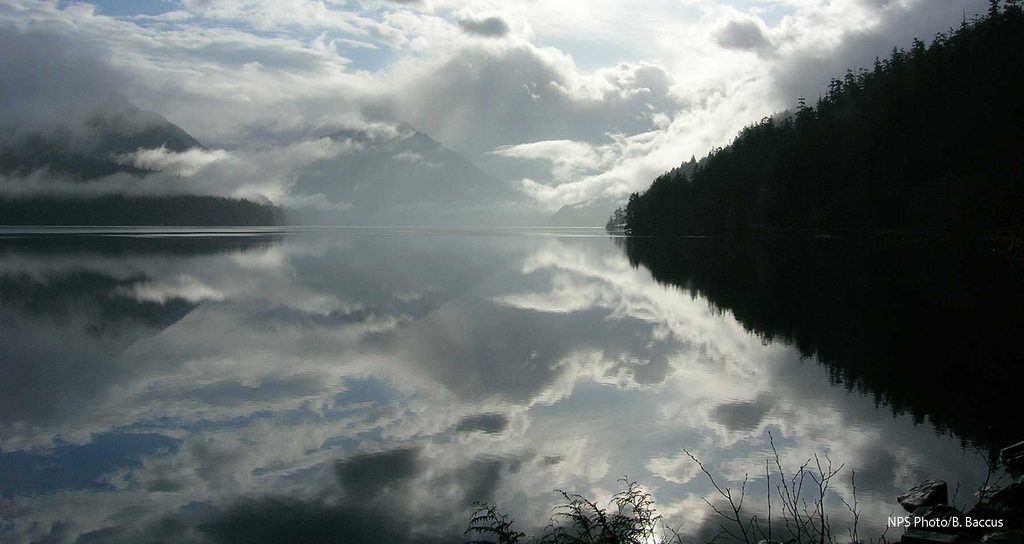
This deep, glacier-carved lake is known for its crystal-clear water and surrounding mountain scenery. The lake is ideal for kayaking, paddleboarding, swimming, and lakeside relaxation.
Highlights:
- Marymere Falls Trail
- Lakeshore hiking
- Water recreation
- Scenic viewpoints
Sol Duc Valley
The Sol Duc region combines lush forests, waterfalls, and mountain trails. It is one of the park’s most popular hiking areas.
Highlights:
- Sol Duc Falls
- Hot springs resort nearby
- Ancient forest scenery
- Access to backcountry trails
Ozette Triangle
One of the park’s most unique hikes, the Ozette Loop combines boardwalk trails through forest with spectacular stretches of remote coastline.
Highlights:
- Coastal wilderness
- Native cultural history
- Sea stack viewpoints
- Wildlife observation
Kalaloch Beach
Located on the southern coast of the park, Kalaloch offers some of Olympic’s most accessible ocean scenery.
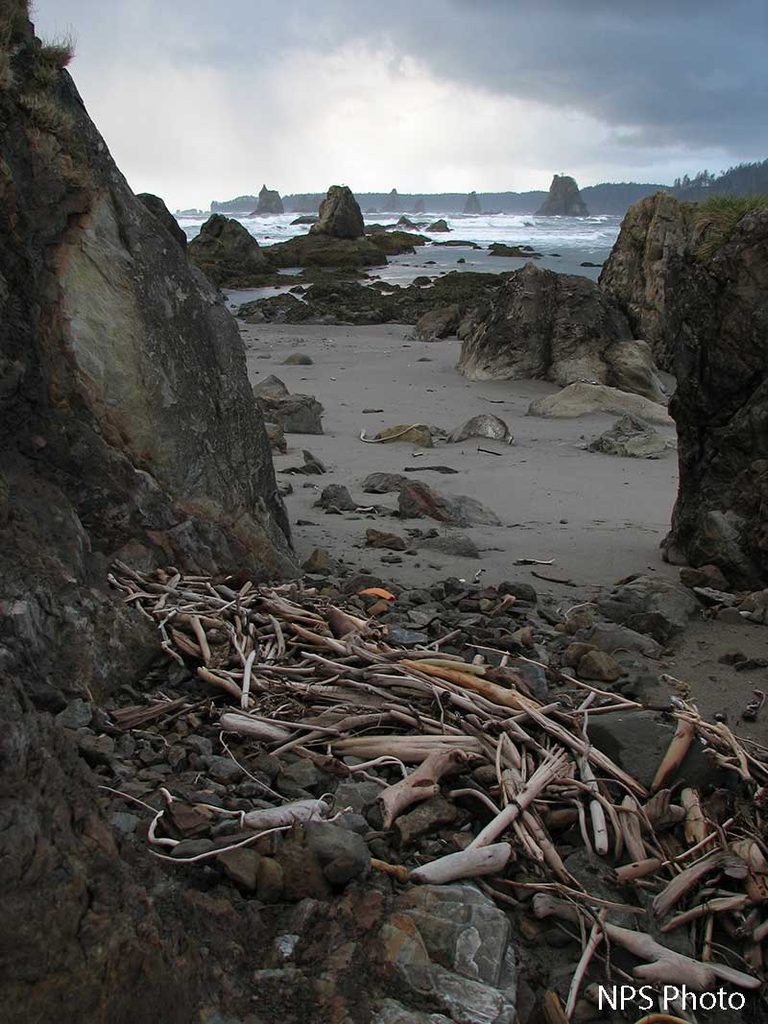
Highlights:
- Tree of Life
- Whale watching
- Coastal lodges
- Easy beach walks
Best Wildlife Viewing
Olympic National Park supports a remarkable variety of wildlife.
Common Animals
- Roosevelt elk
- Black bears
- Black-tailed deer
- Mountain goats
- Marmots
- Bald eagles
- River otters
Marine Wildlife
- Gray whales
- Harbor seals
- Sea lions
- Various seabird species
The Hoh Rain Forest, Sol Duc Valley, and river valleys are excellent locations for elk viewing, while the coastal areas offer opportunities to spot whales and marine mammals.
Best Times to Visit
Summer (June to September)
Best Overall Season
Summer offers the warmest weather, the clearest roads, and full access to most areas of the park.
Pros
- Ideal hiking conditions
- Wildflowers in alpine areas
- Minimal rainfall
- Long daylight hours
Cons
- Largest crowds
- Limited lodging availability
- Higher accommodation costs
Fall (September to October)
Many travelers consider early fall the sweet spot for visiting Olympic.
Pros
- Fewer crowds
- Pleasant temperatures
- Fall colors
- Good wildlife viewing
Cons
- Increasing rainfall later in the season
Spring (April to May)
Spring brings blooming wildflowers and rushing waterfalls.
Pros
- Lower visitation
- Waterfalls at peak flow
- Wildlife activity increases
Cons
- Unpredictable weather
- Some higher-elevation areas may remain snow-covered
Winter (November to March)
Winter showcases a quieter side of the park.
Pros
- Solitude
- Snow-covered mountain scenery
- Storm watching along the coast
Cons
- Frequent rain
- Limited mountain access
- Some facilities closed seasonally
Suggested Three-Day Itinerary
Day 1: Mountains and Lake Crescent
- Sunrise at Hurricane Ridge
- Explore Hurricane Hill Trail
- Lunch near Port Angeles
- Visit Lake Crescent
- Hike to Marymere Falls
Day 2: Rain Forest Adventure
- Spend the morning in the Hoh Rain Forest
- Walk the Hall of Mosses Trail
- Explore the Spruce Nature Trail
- Drive to Rialto Beach for sunset
Day 3: Pacific Coast Discovery
- Visit Ruby Beach
- Explore Kalaloch and the Tree of Life
- Walk portions of the Ozette Triangle
- Enjoy sunset views along the Pacific Coast
Travel Tips
- Distances are greater than they appear on a map; allow extra driving time.
- Weather varies dramatically between the coast, mountains, and forests.
- Bring layers, even during summer.
- Check tide charts before exploring coastal areas.
- Reserve lodging and campsites well in advance for summer visits.
- Carry rain gear year-round, as weather can change quickly.
Final Thoughts
Olympic National Park stands apart from other national parks because of its incredible diversity. From glacier-capped mountains and ancient rainforests to wild Pacific beaches and crystal-clear lakes, the park offers an unmatched variety of landscapes within a single destination. Whether you’re visiting for a weekend or an extended adventure, Olympic provides unforgettable experiences and some of the most stunning natural scenery in North America.