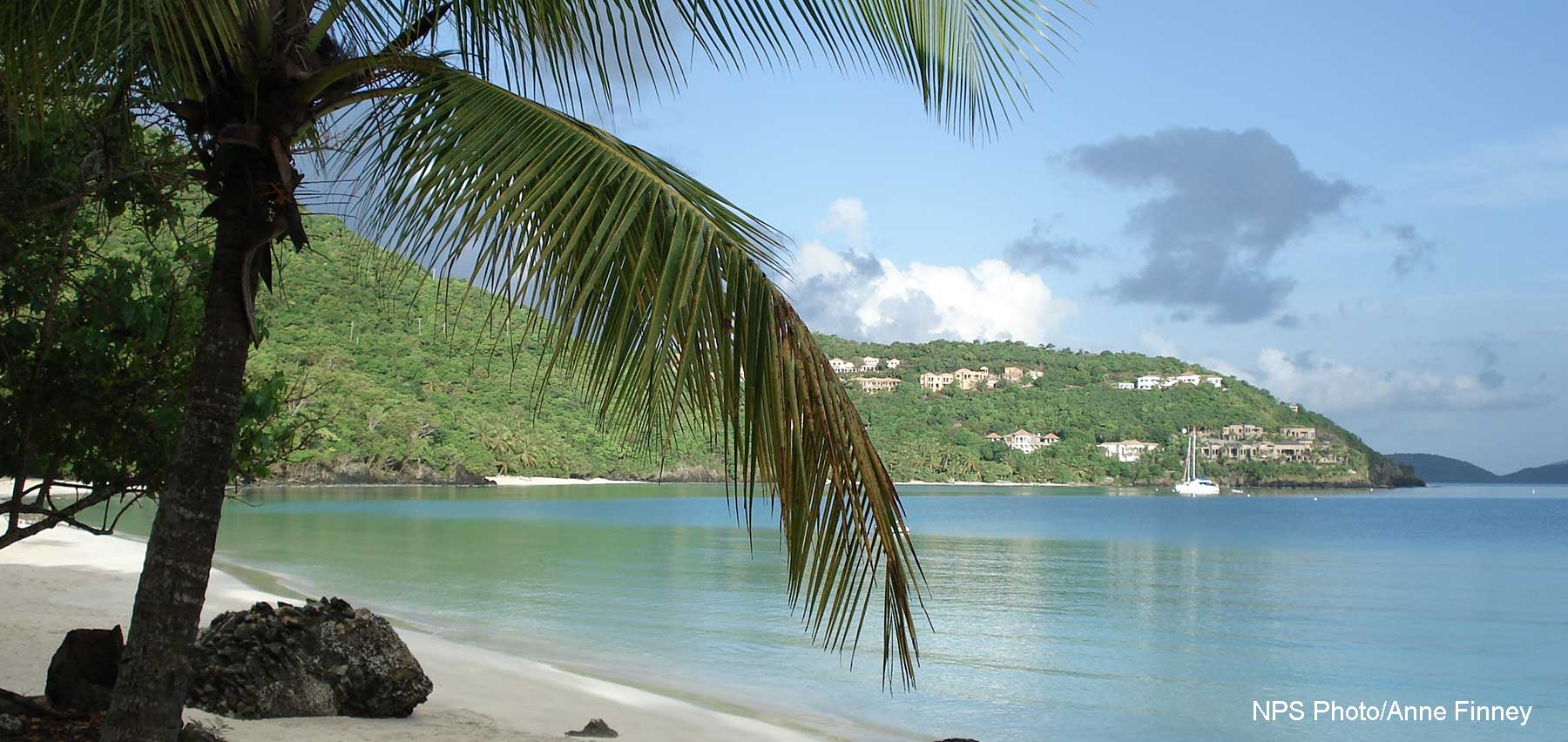
Virgin Islands National Park is a tropical paradise located on the island of St. John in the U.S. Virgin Islands. Established in 1956, the park protects nearly two-thirds of St. John as well as thousands of acres of surrounding marine environments. Visitors are drawn to its crystal-clear waters, white-sand beaches, lush forests, coral reefs, and rich cultural history. Whether you are interested in snorkeling, hiking, wildlife viewing, or relaxing on some of the Caribbean’s most beautiful beaches, Virgin Islands National Park offers unforgettable experiences.
Best Places to Visit
Trunk Bay
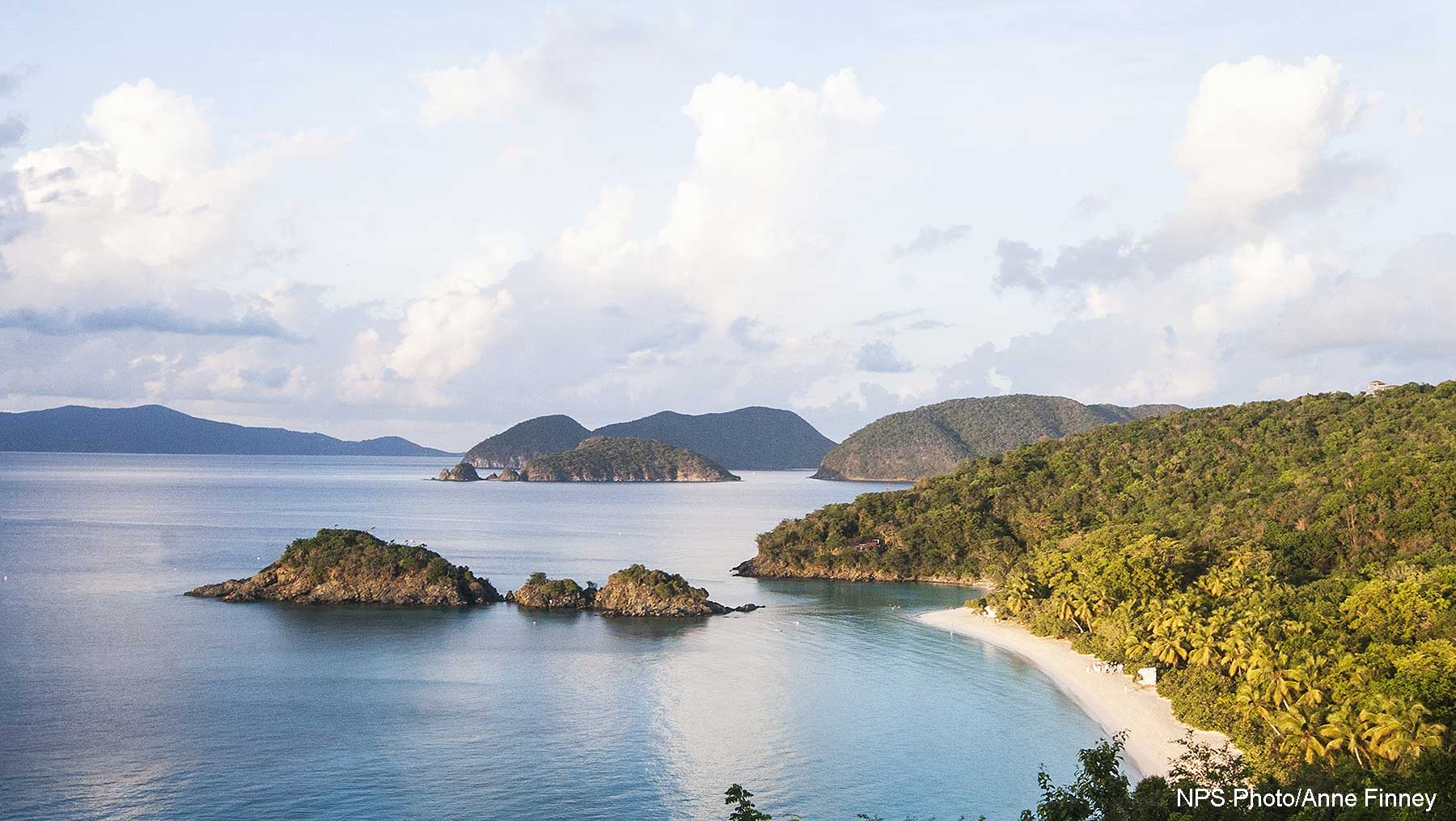
Trunk Bay is the park’s most famous beach and is often considered one of the most beautiful beaches in the world. Its turquoise waters and powdery white sand make it a favorite destination for swimming and sunbathing. The beach is also home to an underwater snorkeling trail with informative signs that introduce visitors to coral reef ecosystems.
Cinnamon Bay
Cinnamon Bay features one of the longest beaches on St. John and provides excellent opportunities for swimming, kayaking, paddleboarding, and snorkeling. The surrounding area includes hiking trails and historic plantation ruins, making it a great location for both recreation and exploration.
Reef Bay Trail
The Reef Bay Trail is one of the park’s premier hiking experiences. This scenic trail passes through tropical forests, ancient petroglyphs carved by the indigenous Taíno people, waterfalls during wetter months, and the ruins of a historic sugar plantation before reaching Reef Bay.
Annaberg Sugar Plantation

Annaberg Sugar Plantation offers a fascinating glimpse into the island’s colonial history. Visitors can explore well-preserved windmill ruins, factory structures, and interpretive exhibits that explain the sugar production process and the lives of enslaved Africans who worked there.
Salt Pond Bay
Salt Pond Bay is a quieter beach destination known for excellent snorkeling and beautiful scenery. The bay is commonly visited by sea turtles and colorful tropical fish. A short walk from the beach leads to Drunk Bay, where visitors can see unique rock cairns created by travelers.
Hawksnest Beach
Hawksnest Beach is ideal for families due to its easy access, calm waters, and shaded picnic areas. The beach provides excellent opportunities for swimming and snorkeling close to shore.
Waterlemon Cay
One of the park’s top snorkeling destinations, Waterlemon Cay offers vibrant coral reefs and abundant marine life. Visitors frequently spot sea turtles, rays, colorful reef fish, and occasionally octopuses in the shallow waters surrounding the small offshore island.
Ram Head Trail
The Ram Head Trail rewards hikers with some of the most spectacular panoramic views in the park. The trail winds through dry tropical vegetation before reaching dramatic cliffs overlooking the Caribbean Sea and neighboring islands.
Leinster Bay
Leinster Bay combines excellent coastal scenery with historical interest. The area features snorkeling opportunities, mangrove habitats, and the remnants of old plantation structures connected by a scenic walking trail.
Wildlife and Natural Features
Virgin Islands National Park protects a wide variety of ecosystems including tropical forests, mangroves, seagrass beds, and coral reefs. Common wildlife includes:
- Green sea turtles
- Hawksbill sea turtles
- Brown pelicans
- Frigatebirds
- Iguanas
- Hermit crabs
- Reef fish such as parrotfish and angelfish
The park’s waters support extensive coral reef communities that are among the most important natural resources in the Caribbean.
Best Times to Visit
December to April (Peak Season)
This is generally considered the best time to visit Virgin Islands National Park. Visitors enjoy warm temperatures, lower humidity, and relatively dry conditions. These months offer ideal beach weather and excellent opportunities for hiking and snorkeling. However, accommodations and ferry services are often busiest during this period.
May to June
Late spring and early summer provide a balance between favorable weather and smaller crowds. Temperatures are warm, ocean conditions are excellent, and visitors can often find more affordable lodging compared to peak winter months.
July to November
This period brings hotter temperatures, increased humidity, and a greater chance of tropical storms and hurricanes. Despite the weather risks, visitors may benefit from fewer crowds and lower travel costs. Underwater visibility can still be excellent for snorkeling and diving during calm conditions.
Things to Do
- Snorkel along coral reefs and underwater trails
- Relax on world-class Caribbean beaches
- Explore historic sugar plantation ruins
- Hike tropical forest and coastal trails
- Kayak along protected bays and shorelines
- Photograph scenic overlooks and wildlife
- Learn about the island’s cultural and natural history
Travel Tips
- Bring reef-safe sunscreen to help protect coral ecosystems.
- Carry plenty of water when hiking, especially during warmer months.
- Arrive early at popular beaches to secure parking and avoid crowds.
- Wear water shoes when snorkeling around rocky areas.
- Check local weather forecasts during hurricane season before traveling.
Conclusion
Virgin Islands National Park offers a unique combination of pristine beaches, vibrant coral reefs, tropical forests, and fascinating cultural history. From snorkeling at Trunk Bay and Waterlemon Cay to hiking the Reef Bay and Ram Head trails, the park provides memorable experiences for every type of traveler. For the best weather and outdoor conditions, plan your visit between December and April, though the park’s natural beauty can be enjoyed throughout the year.