
Located about 70 miles west of Key West, Florida, Dry Tortugas National Park is one of America’s most unique and isolated national parks. Covering nearly 100 square miles, most of which is open water, the park is famous for its crystal-clear turquoise seas, vibrant coral reefs, abundant marine life, and the massive historic Fort Jefferson. Accessible only by boat or seaplane, Dry Tortugas offers visitors an unforgettable blend of history, adventure, and natural beauty. [nps.gov]
Best Places to Visit
Fort Jefferson
The crown jewel of the park is Fort Jefferson, one of the largest masonry forts ever built in the United States. Constructed in the 1800s, the massive red-brick fortress dominates Garden Key and provides spectacular views of the surrounding ocean. Visitors can walk the fort’s ramparts, explore historic chambers, and learn about its fascinating military history. [nps.gov]
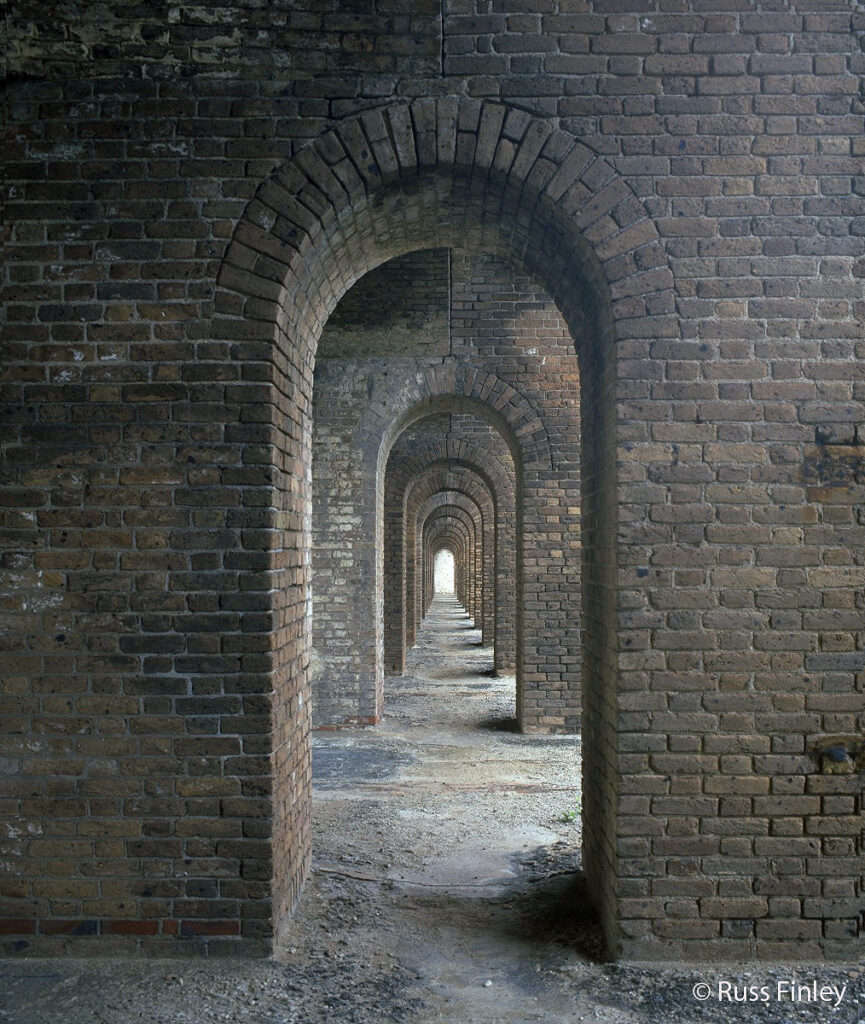
Garden Key
Garden Key is the most frequently visited island in the park and home to Fort Jefferson, the visitor center, beaches, and campground. It serves as the main hub for visitors arriving by ferry or seaplane. The island’s beaches are ideal for swimming, snorkeling, and relaxing while enjoying breathtaking ocean views. [nps.gov], [nps.gov]
Loggerhead Key
Loggerhead Key is known for its historic lighthouse, beautiful shoreline, and excellent snorkeling opportunities. The waters surrounding the island are home to colorful tropical fish, coral formations, sea turtles, and rays. Day visitors can explore the island from sunrise to sunset. [nps.gov]
Snorkeling Along the Moat Wall
One of the park’s most popular activities is snorkeling around the moat wall surrounding Fort Jefferson. The clear water offers excellent visibility and access to diverse marine life, including reef fish, coral, and occasionally sea turtles. [nps.gov]

Coral Reefs and Shipwreck Sites
The park protects some of the healthiest coral reefs in the Florida Keys. Snorkelers and divers can explore underwater ecosystems filled with tropical fish and preserved shipwreck sites that tell the story of centuries of maritime travel through the Gulf of Mexico. [nps.gov]
Best Times to Visit
Winter (December through April)
Winter and early spring are generally considered the best times to visit Dry Tortugas. During these months, temperatures are mild, humidity is lower, and seas are often calmer, creating ideal conditions for ferry travel, sightseeing, snorkeling, and camping. January through April are particularly popular among visitors. [dry-tortugas.com]
Spring (March through May)
Spring offers pleasant temperatures, excellent wildlife viewing, and seasonal bird migrations. Birdwatchers often visit during this time to observe migratory species stopping on the islands. Spring also marks the beginning of nesting season for some seabirds. [dry-tortugas.com]
Summer (June through August)
Summer brings warmer temperatures and some of the clearest underwater conditions, making it a great time for snorkeling and diving. However, heat, humidity, and afternoon thunderstorms are more common. [dry-tortugas.com]
Fall (September through November)
Fall typically sees fewer visitors, but weather can be less predictable because of hurricane season in the Gulf and Caribbean. Travelers should closely monitor forecasts and transportation schedules.
Tips for Your Visit
- Book ferry or seaplane transportation well in advance, especially during peak winter and spring seasons. [nps.gov]
- Bring plenty of water, food, sunscreen, and other essentials, as services are extremely limited within the park. [nps.gov], [dry-tortugas.com]
- Pack snorkeling gear or rent it before your trip to enjoy the park’s underwater attractions. [dry-tortugas.com]
- Consider camping overnight for a quieter experience and stunning sunrise and sunset views over the Gulf of Mexico. [nps.gov]
Conclusion
Dry Tortugas National Park is a remarkable destination where history, wildlife, and pristine marine environments come together. Whether you’re exploring the impressive walls of Fort Jefferson, snorkeling among vibrant coral reefs, or simply enjoying the solitude of a remote island paradise, the park delivers an experience unlike any other national park in the United States. For most visitors, the best time to visit is from December through April, when pleasant weather and calmer seas make it easier to enjoy everything this extraordinary park has to offer. [dry-tortugas.com]