
Located in southeastern Alaska, Wrangell-St. Elias National Park and Preserve is the largest national park in the United States, covering approximately 13.2 million acres. The park features towering mountain ranges, massive glaciers, active volcanoes, historic mining towns, and some of the most remote wilderness in North America. It rises from near sea level to peaks over 18,000 feet and contains the greatest concentration of glaciers in North America.
Wrangell-St. Elias offers visitors a true Alaskan adventure, with opportunities for hiking, wildlife viewing, photography, flightseeing, backpacking, rafting, and exploring rich cultural and mining history.
Best Places to Visit
Kennecott Mines National Historic Landmark
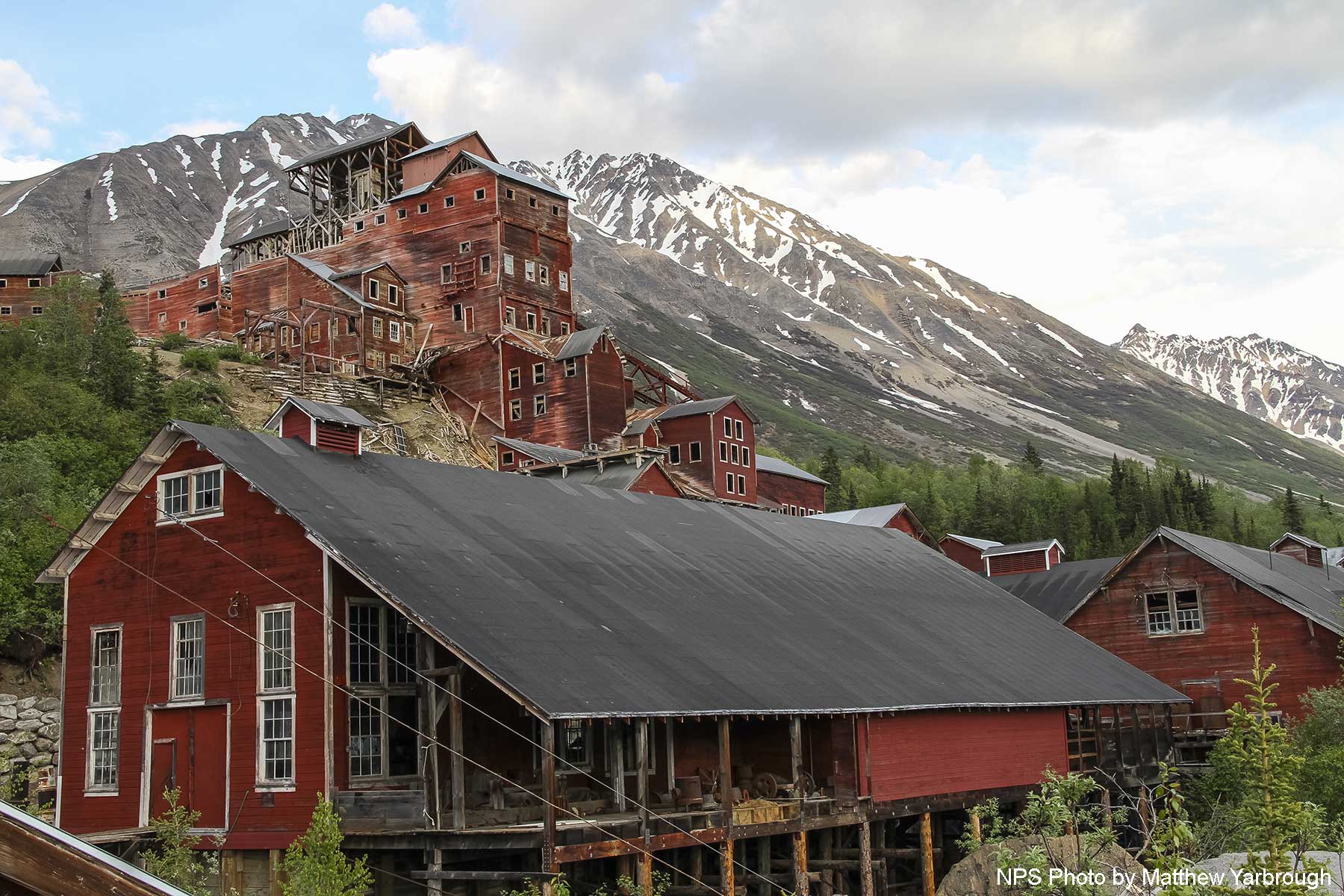
One of the park’s most famous attractions, Kennecott is a remarkably preserved copper mining town dating back to the early 1900s. Visitors can tour historic buildings, learn about Alaska’s mining history, and enjoy spectacular mountain and glacier views.
Root Glacier
Accessible from the McCarthy area, Root Glacier is one of the few Alaskan glaciers that visitors can hike on without technical mountaineering experience. Guided glacier walks allow visitors to explore ice formations, blue pools, and crevasses.
McCarthy
This small, remote community serves as the gateway to Kennecott and offers lodging, dining, and a glimpse into Alaska’s frontier lifestyle. The town maintains much of its historic charm and rugged character.
Nabesna Road
Located in the northern section of the park, Nabesna Road provides access to wilderness areas, hiking trails, scenic overlooks, and excellent wildlife viewing opportunities. The route is less crowded than the McCarthy Road corridor.
Wrangell Mountains
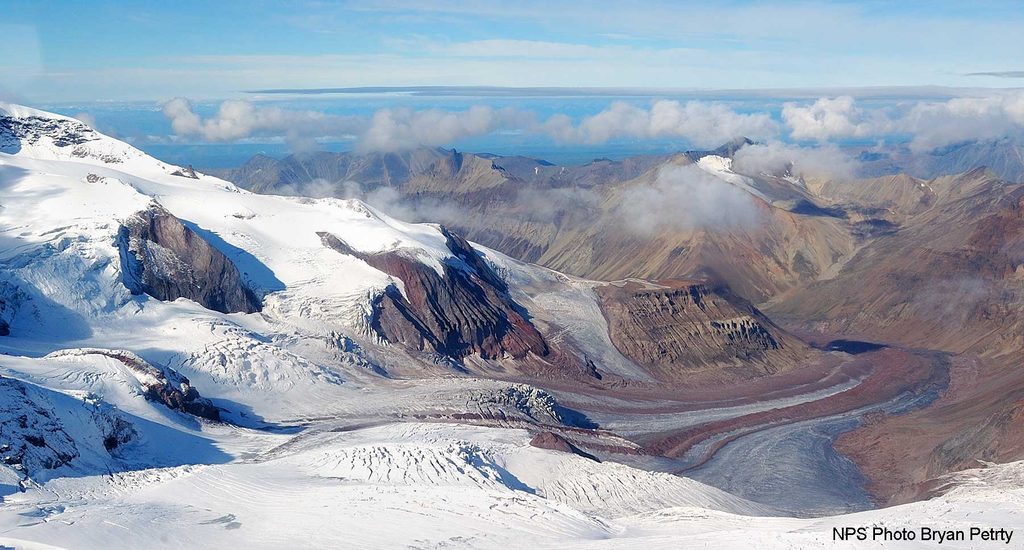
The park’s namesake mountain range includes numerous volcanic peaks, some among the largest volcanoes in North America. The dramatic landscapes provide exceptional opportunities for photography and backcountry exploration.
Malaspina Glacier
One of the world’s largest piedmont glaciers, Malaspina spreads across the coastal region of the park. The immense ice field is often viewed during flightseeing tours.
Copper Center Visitor Center
A great starting point for first-time visitors, the visitor center offers exhibits, maps, trail information, and ranger programs that help visitors understand the park’s vast natural and cultural resources. [nps.gov]
Wildlife Watching
Wrangell-St. Elias is home to a diverse range of wildlife, including:
- Dall sheep
- Moose
- Black bears
- Grizzly bears
- Caribou
- Mountain goats
- Wolves
- Bald eagles
The park’s varied habitats, from coastal rainforest to alpine tundra, support an impressive diversity of animals.
Best Times to Visit
Summer (June to August)
Best overall time to visit
Summer offers the warmest temperatures, the longest daylight hours, and the most accessible roads and trails. Visitor centers, guided tours, and park services are fully operational during this season. Wildflowers bloom across the landscape, and wildlife is active.
Pros:
- Mild weather
- Long daylight hours
- Full access to visitor facilities
- Best conditions for hiking and sightseeing
Early Fall (September)
Best for photography and fewer crowds
Autumn colors transform the tundra into shades of red, orange, and gold. Cooler temperatures and reduced visitation create a more peaceful experience. Snow may begin appearing on higher peaks, enhancing the scenery.
Pros:
- Vibrant fall colors
- Fewer visitors
- Excellent photography opportunities
Spring (May)
Best for solitude
Roads begin opening and wildlife becomes increasingly active after winter. Conditions can be variable, but visitors seeking fewer crowds may enjoy this season.
Winter (October to April)
Best for experienced adventurers
Winter transforms the park into a remote wilderness of snow and ice. Opportunities include backcountry skiing, snowmachining in designated areas, and viewing the northern lights. However, many facilities and roads are inaccessible, and conditions can be extreme.
Travel Tips
- Plan well in advance, as services are limited and distances are vast.
- Carry extra food, water, and emergency supplies.
- Weather can change rapidly, even during summer.
- Consider a flightseeing tour to appreciate the sheer scale of the park.
- Check road conditions before traveling on McCarthy Road or Nabesna Road.
- Always practice bear safety and carry bear spray when hiking.
Conclusion
Wrangell-St. Elias National Park is one of the world’s greatest wilderness destinations. With its immense glaciers, towering mountains, historic mining sites, abundant wildlife, and endless opportunities for adventure, the park delivers an unforgettable experience for travelers seeking the wild heart of Alaska. For most visitors, June through September provides the best combination of weather, accessibility, and recreational opportunities, while adventurous travelers can find unique rewards in every season.